
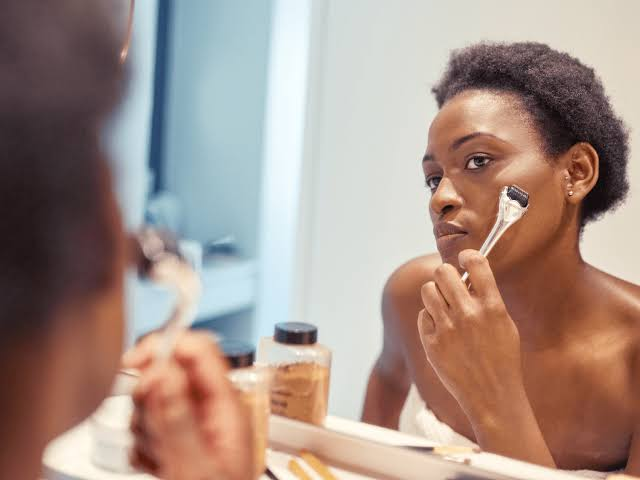
A treatment takes 20 minutes to be executed and 2 weeks to show results. A controlled injury causes a wound healing process to kick off and the quality of this process greatly depends on external factors that come into contact with the injured skin while the channels are open and the skin’s natural barrier is impaired.
The general outline of post-treatment care is well known amongst practitioners, but a number of crucial elements are frequently lacking. These include a sound justification for each post-treatment measure, a post-treatment time frame which the client can realistically follow, and most importantly, a system for distinguishing post-treatment redness that is due to normal inflammatory response from that which constitutes a problem that requires further intervention.
The first 24 hours set the barrier recovery clock
Immediately after the treatment the uppermost layer of skin, the stratum corneum, has been perforated by the needles. The skin now suffers from a high degree of Transepidermal Water Loss (TEWL) and within hours the microchannels will have closed up, but it will take 24-48 hours for the skin’s natural barrier to be fully restored. Until then the application of any cream or lotion will have a high degree of penetration, as well as a high potential for irritation.
Minimize application of topical products until the skin has begun to heal. Saline solution or a simple, sterile, occlusive moisturizing product such as petroleum jelly are best during the first few days post-treatment. Until fully healed, avoid products containing fragrances, preservatives used on normal intact skin and most active ingredients intended for application to normal skin, regardless of marketing claims regarding gentle use.
What to send clients home with
- A fragrance-free, pH-balanced cleanser used with lukewarm water and fingertips only
- A simple occlusive or ceramide-based moisturizer, applied to damp skin
- Clean pillowcases and a reminder not to touch the face
- A written instruction sheet, because verbal aftercare is forgotten by the time the client reaches the car
Sun protection is the single highest-value instruction
Post-inflammatory hyperpigmentation (PIH), the most common avoidable complication of needling, particularly in darker skin types (Fitzpatrick types IV to VI). The inflammatory response primes the melanocytes and the subsequent UV exposure converts this into long-term pigment changes that can take months to fade.
While chemical sunscreens can be problematic on a compromised skin surface, mineral sunscreens containing zinc oxide are perfectly fine to be used within the first few days post-treatment. After that, the type of sunscreen filter used is of less importance than using sunscreen consistently and covering up with clothing to prevent pigment from forming in the first place. Reaping the pigment prevention benefits of treatment often means avoiding exposure to the sun for weeks, not days. Afford clients the alternative cost of avoiding unprotected exposure for four weeks and the totality of aftercare will become far more meaningful.
Framing the instruction so it is followed
Sun protection costs more than SPF. Explain to your client that unprotected exposure in the following 4 weeks could undo all of the good that pigment prevention treatments have to offer. That’s worth something to most people.
Avoiding irritation while the skin remodels
Clients must avoid all forms of heat on the face for 48-72 hours, including saunas, hot yoga studios, steam rooms and swimming pools. Intensive cardio workouts must be avoided for the same period of time. The tubes of makeup used for application of makeup must be cleaned regularly, and it is best to change them every few months or even purchase new ones to prevent transfer of infection causing bacteria.
Other active products (including mechanical exfoliation) including retinoids, alpha and beta hydroxy acids, benzoyl peroxide, and high-strength vitamin C should also be avoided for the duration of the Channels Open period. For clients who want the detail in writing, this guide to post microneedling care is worth reading before the flaking starts. The desquamation (flaking) of skin which occurs around 3 days post treatment is not ‘dead skin’ which can be removed with exfoliation or be pulled off with tape, and it must not be picked or scrubbed at as this will lead to further irritation and possible scarring.
Hydration supports the proliferative phase
Fibroblast activity and the initiation of new collagen production need a well hydrated dermal environment. For 2 weeks after treatment, use a low molecular weight Hyaluronic Acid serum (without preservatives that are known to be irritant) from day 2 onwards. Seal with a good moisturizer to stop it from drying on the surface of the skin. Also increase water intake and use a humidifier in the home overnight in dry environments.
Ingredients that genuinely help in this phase
- Peptides and growth factors, from around 48 hours, supporting the proliferative response
- Niacinamide at modest concentrations, from day three to five, for barrier lipid synthesis
- Panthenol and centella asiatica for soothing without occlusive heaviness
- Ceramides and cholesterol, which rebuild what the procedure deliberately disrupted
A realistic timeline for resuming normal products
Deep treatments, a larger number of needles, or even sensitive areas need to be reintroduced later as well. Please find a suggested re-entry schedule for standard 0.5mm, 1.0mm treatments in average healthy skin in the table below.
| Stage | Timeframe | Permitted | Still withheld |
| Acute | 0 to 24 hours | Saline, bland occlusive, mineral SPF | All actives, makeup, exercise |
| Early repair | 24 to 72 hours | Gentle cleanser, hyaluronic acid, peptides, mineral makeup | Acids, retinoids, vitamin C, heat exposure |
| Consolidation | Day 4 to 7 | Niacinamide, antioxidants, usual cleanser, normal exercise | Retinoids, exfoliants, strong vitamin C |
| Full routine | Day 7 to 14 | Retinoids and acids reintroduced one at a time | Further needling, laser, chemical peels |
When to call the client back in
- Erythema that worsens rather than fades after 72 hours
- Pustules, crusting, or spreading warmth suggesting bacterial or herpetic involvement
- Granulomatous nodules, which point to a reaction against a product applied too early
- Pigment darkening beyond the treated zone within the first two weeks
Note down what you have used in the clinic and what your patient has used at home. If things go wrong, this document will be your only reliable reference as to what may have gone wrong.
