
You notice it when a routine dental visit feels less routine than it used to. Fewer messy impressions. Faster answers. Images on a screen instead of a long explanation that leaves you guessing. If you are caring for your own teeth, helping a child through checkups, or trying to find a family dentist near Otsego MN or replace a missing tooth, that shift matters. Dental care can feel stressful enough without added uncertainty about time, cost, pain, and whether the result will last.
That is where technology is changing the experience. In family and cosmetic and implant dentistry, digital tools are helping dentists diagnose problems earlier, plan treatment with more precision, and make visits more efficient. The point is not flashy equipment. The point is better information, fewer surprises, and care that fits real life.
Digital dentistry is changing family and implant care at every stage
In many offices, digital X rays, 3D imaging, intraoral scanners, and computer guided treatment planning are no longer rare. They are becoming part of daily care. The National Institute of Dental and Craniofacial Research has highlighted how data science and digital dentistry can improve dental care, especially by helping dentists use better data to guide decisions.
That matters in family dentistry because small problems rarely stay small. A child may have crowding that is easier to monitor early. An adult may ignore a cracked tooth until it becomes an infection. A parent may put off replacing a missing tooth because the process feels overwhelming. Digital imaging and scanning can catch details that are harder to see with the naked eye alone, which often means treatment starts sooner and with a clearer plan.
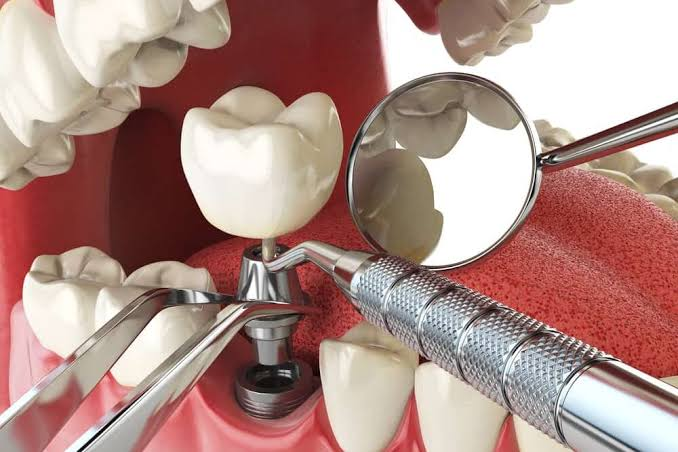
In implant care, the difference is even more obvious. Replacing a tooth is not only about filling a gap. Bone levels, bite alignment, gum health, and placement angle all affect the final result. With 3D scans and guided planning, dentists can map the area more accurately before treatment begins. That can reduce guesswork and help protect nearby structures.
Better technology often means less friction for patients
You may already know the old pain points. Gooey impressions that trigger gagging. Temporary crowns that do not fit quite right. Multiple visits for something that feels like it should be simpler. Those frustrations are not minor. They are often the reason people delay care.
Dental technology in family and implant care helps remove some of that friction. Digital impressions can replace traditional molds. CAD and CAM systems can improve the design of crowns and restorations. Cone beam CT scans can give a fuller picture of the jaw before an implant is placed. When the planning is stronger at the start, the process tends to feel more predictable for you.
There is also a trust issue. Patients want to see what the dentist sees. A high resolution image on a screen can make a confusing diagnosis easier to understand. If you have ever wondered whether a procedure is really needed, visual evidence can make that conversation more honest and less abstract.
Technology in modern dentistry supports prevention, precision, and long term results
Not every tool changes your care in a dramatic way, but many improve small parts of the process that add up. Better records. Better communication between dentist and lab. Better tracking over time. Research support for biomaterials, devices, and clinical technologies continues to shape what reaches dental practices, as shown in the NIDCR’s work on biomaterials, devices, and clinical technologies.
For implants, material quality and digital design matter because the goal is not just placement. The goal is comfort, function, and a restoration that feels natural when you chew and speak. For family care, the same principle applies. Good technology should support earlier intervention and a better patient experience, not add complexity for its own sake.
The larger picture is also clear. Oral health affects more than teeth. The NIDCR report on advances and challenges in oral health in America connects oral health with overall well being, quality of life, and access to care. That is one reason digital systems matter. They can help make diagnosis and treatment more consistent, which supports better outcomes across age groups.
Advanced family and implant dentistry offers clearer tradeoffs for patients
| Area of Care | Traditional Approach | Technology Enhanced Approach | What It May Mean for You |
|---|---|---|---|
| Dental impressions | Physical molds with impression material | Digital intraoral scanning | More comfort, less gagging, faster lab communication |
| Implant planning | 2D imaging and manual estimation | 3D imaging and guided planning | More precise placement and fewer surprises |
| Crown design | Manual fabrication with more adjustment | Computer aided design and milling | Improved fit and fewer remakes |
| Monitoring oral changes | Visual checks and basic records | Digital images stored over time | Easier comparison and earlier detection |
This does not mean every newer tool is automatically better for every case. A simple filling may not require advanced imaging. A healthy patient with a straightforward issue may not need every digital option available. What matters is whether the technology improves diagnosis, comfort, efficiency, or outcome in your specific situation.
Practical steps to make smart decisions about dental technology
Ask how the technology changes your treatment plan. Do not stop at the name of the tool. Ask what problem it solves in your case. If a practice uses 3D imaging for implants, ask how it improves placement, timing, or safety. If they offer digital scans, ask whether it reduces visits or improves fit.
Ask to see the findings. When a dentist shows you a scan, X ray, or digital model, the conversation becomes clearer. You can understand the issue, compare options, and make decisions with less doubt. That is especially useful when weighing cosmetic work, restorative treatment, or implant placement.
Think beyond the upfront price. Newer methods may cost more in some cases, but the value is not only the fee on day one. Better fit, fewer adjustments, stronger planning, and less chair time can matter just as much. In family and implant dentistry, long term function often matters more than the cheapest short term option.
Technology works best when it supports human care
The best dental experience still comes down to trust, judgment, and communication. Technology helps when it gives your dentist a clearer picture and gives you a clearer understanding of what comes next. It should make care feel less confusing, not more.
If you have been putting off treatment because the process felt too uncertain, this shift in modern dental care may be the opening you needed. Better tools can mean earlier answers, more precise treatment, and a smoother path from diagnosis to results. When you are ready, schedule a visit and ask how current technology is being used in your care.
