
Introduction
A family day out is supposed to be enjoyable, but it can quickly become tiring when everyone brings too much. Parents may pack extra snacks, jackets, toys, wipes, water bottles, chargers, sunscreen, books, and backup items for every possible situation. By the time the family leaves the house, the outing already feels heavy.
Good organization does not mean packing for every scenario. It means choosing practical items that match the day’s plan and keeping them easy to reach. Whether the family is visiting a park, museum, farmers’ market, beach town, or local event, a lighter and more organized setup can make the day smoother for everyone.
Start With the Main Activity
Before packing, decide what the day is really about. A park picnic requires different items from a museum visit. A community fair requires different planning from a quick shopping trip. If the activity is clear, the packing becomes easier.
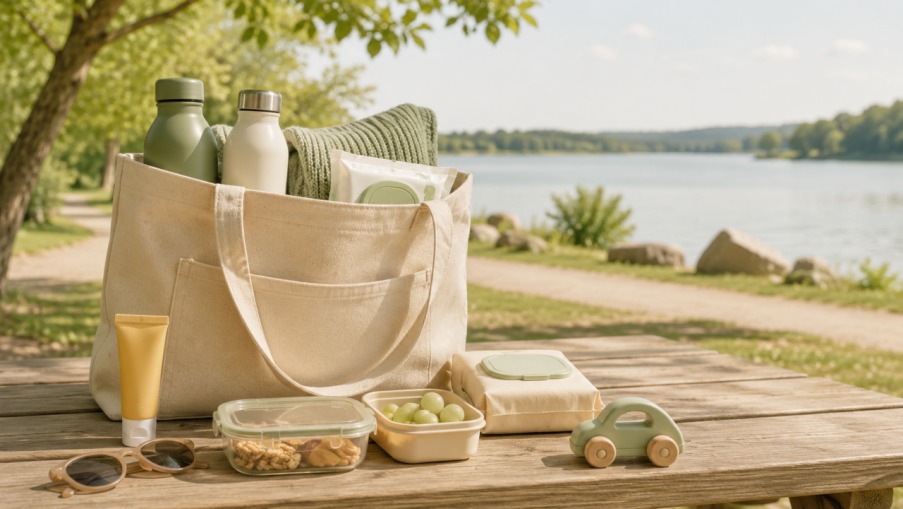
For example, a day at a park might need water, sunscreen, snacks, a blanket, and wipes. A museum day may require fewer outdoor items but more focus on tickets, small snacks, and quiet activities for children. A local market may require a reusable bag and hands-free organization.
A practical carry option like Custom Tote Bags can work well for family outings because it gives enough space for essentials without feeling as bulky as a suitcase or large backpack.
Divide Items Into Categories
The easiest way to avoid overpacking is to divide items into simple categories: food, clothing, personal items, entertainment, and cleanup. If something does not fit one of those categories, ask whether it is really needed.
Food should be simple and not too messy. Clothing should be limited to weather-appropriate layers. Entertainment should be small enough to use during quiet moments. Cleanup items should include basics such as wipes, tissues, and a small bag for trash or damp items.
A small pouch system helps keep everything from mixing together. One pouch can hold snacks. Another can hold keys, wallet, and phone. Another can hold first-aid basics. This keeps the main bag easy to use.
Plan for Purchases Along the Way
Many family outings include small purchases: snacks, books, toys, market produce, souvenirs, or extra drinks. If there is no space left in the bag, these items become awkward to carry.
Families who visit markets or shops during outings benefit from having a reliable reusable bag available. Retailers that serve families often use Wholesale Shopping Bags because practical carryout packaging helps customers continue their day comfortably after purchase.
Leaving a little extra space in the main bag is one of the simplest ways to reduce stress during the outing.
Keep Frequently Used Items Near the Top
Some items will be used repeatedly: water, wipes, sunscreen, snacks, or tickets. These should never be buried at the bottom. Place them near the top or in an outer pouch.
This matters even more with children. When someone is thirsty, sticky, tired, or impatient, you do not want to unpack the entire bag in the middle of a busy sidewalk. Easy access helps keep small problems from becoming bigger ones.
Give Older Children Small Responsibilities
If children are old enough, give them responsibility for one or two simple items. They might carry their own water bottle, small jacket, or activity book. This helps reduce the load on parents and teaches children to manage their own belongings.
However, avoid giving children too much. If they become tired, parents may end up carrying everything anyway. Small responsibilities work best.
Repack Before Moving to the Next Place
During a family day out, bags often become messy after the first stop. Before moving to a new location, take one minute to reset. Put trash away, close containers, return small items to pouches, and check that valuables are secure.
This quick reset can make the rest of the day feel more organized and prevent items from getting lost.
Conclusion
A family day out becomes easier when packing is intentional. By focusing on the main activity, organizing items by category, keeping essentials accessible, and leaving room for small purchases, families can carry less while still feeling prepared.
The goal is not to have every possible item. The goal is to enjoy the day without being weighed down by things that never get used.
