
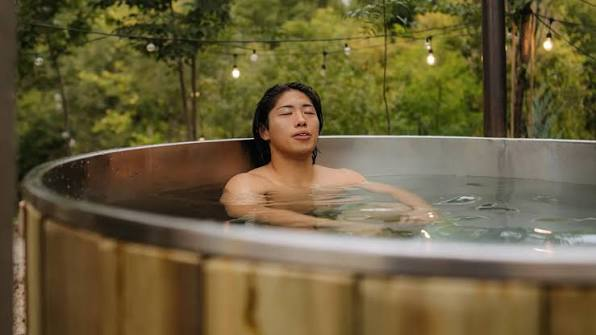
A hot tub can turn an ordinary outdoor area into a comfortable space for relaxation, socialising, and spending more time at home. However, choosing one involves more than simply finding an attractive design. Different models vary considerably in size, seating configuration, insulation, controls, maintenance requirements, and overall usability.
Taking time to compare the features that influence everyday ownership can help you select a hot tub that suits both your available space and the way you intend to use it.
Size And Seating Capacity
The number of individuals who will utilise the hot tub on a regular basis should be one of the initial factors to be taken into account. Compact models may be suitable for couples or smaller households, while larger designs can provide additional seating for families and people who frequently entertain guests.
Capacity should not be considered in isolation. Look carefully at the seating arrangement as well. Some people prefer upright seats for conversation, while others may enjoy lounger-style seating that supports more of the body. A thoughtful combination of seating options can make the hot tub more versatile.
Before choosing a model, measure the installation area carefully. Remember to allow enough surrounding room for safe access, maintenance, and opening or removing the cover.
Jet Placement And Massage Options
Jets are among the most noticeable features of a hot tub, but simply choosing a model with a large number of jets does not necessarily guarantee a better experience. Placement, adjustability, and water pressure can be equally important.
Consider where the jets are positioned in relation to areas such as the shoulders, back, legs, and feet. Adjustable jets can provide greater control over the experience, especially when different users have different preferences.
When exploring suppliers such as Luso spas, buyers may benefit from comparing how different models combine seating arrangements, jet configurations, controls, and other comfort features rather than making a decision based on appearance alone.
Energy Efficiency And Insulation
A hot tub needs to maintain heated water, making energy efficiency an important consideration for long-term ownership. The system is able to maintain the desired temperature more efficiently and reduce heat loss as a result of effective insulation.
Look at insulation around the shell, cabinet, and base. The quality of the hot tub cover also matters because a significant amount of heat can escape from the water’s surface when the tub is not being used.
Heating technology is another area worth investigating. By transferring heat from the ambient air into the water, an air source heat pump hot tub configuration may offer an alternative to traditional electric heating. Suitability can depend on the equipment, climate, installation, and intended usage, so buyers should consider the complete system rather than focusing only on the initial purchase price.
Water Filtration And Maintenance
Clean water is essential for an enjoyable hot tub experience. A reliable filtration system helps remove debris and supports ongoing water quality, while appropriate water treatment helps keep the tub suitable for regular use.
Before purchasing, find out how frequently filters need to be cleaned or replaced and how easy they are to access. Straightforward maintenance can make a substantial difference over years of ownership.
It is also useful to understand how easily the hot tub can be drained, refilled, and cleaned. Models designed with accessible components can make routine care considerably more manageable.
Controls And Ease Of Use
Modern hot tubs can include digital control panels that allow users to manage temperature, jets, lighting, and filtration settings. Controls should be user-friendly and easily accessible from within the tub.
Some systems may also offer remote or smart controls, allowing certain settings to be managed through compatible devices. While advanced technology can be convenient, reliability and ease of operation should remain priorities. A complicated control system may become frustrating if basic functions require unnecessary steps.
Construction Quality And Durability
A hot tub is exposed to water, changing temperatures, sunlight, and outdoor weather conditions, so construction quality deserves close attention. Examine the shell, frame, cabinet, plumbing, and internal components when comparing models.
Durable materials can contribute to a longer usable life and reduce the likelihood of unnecessary maintenance. The cabinet should also be designed to withstand outdoor exposure while providing suitable access to important internal components.
Warranty coverage can provide additional insight into what is protected after purchase. Buyers should understand which components are covered and whether different parts of the hot tub have different warranty periods.
Lighting And Additional Comfort Features
Lighting can improve both practicality and atmosphere, particularly when the hot tub is used in the evening. Integrated LED lighting is common in many modern designs and can help create a more inviting environment.
Other features may include headrests, waterfalls, cup holders, steps, integrated audio, or additional water features. These additions can enhance the experience, but they should come after essential considerations such as comfort, efficiency, reliability, and maintenance.
Choosing For Long-Term Enjoyment
The best hot tub is not necessarily the largest model or the one with the longest feature list. A better choice is one that fits the available space, accommodates the expected number of users, provides comfortable seating, and can be maintained without unnecessary difficulty.
By comparing insulation, heating, jet placement, filtration, construction, controls, and practical ownership requirements, buyers can make a more informed decision. Focusing on features that will genuinely be used can help turn a hot tub from an occasional luxury into a valuable and enjoyable part of everyday outdoor living.
