
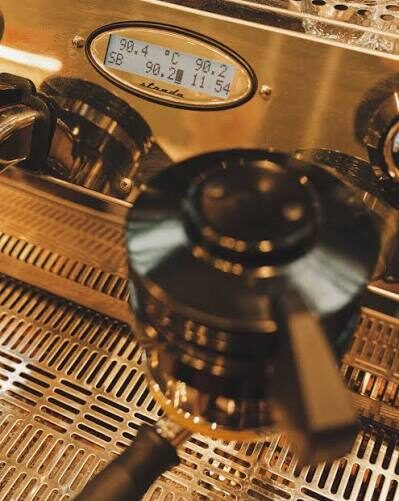
Coffee can lose its intended character before it reaches the counter. Minerals, chlorine, and sediment in the water supply can affect aroma, extraction, and mouthfeel. These issues can also affect equipment performance and routine service needs. This article is for cafés, restaurants, hotels, and other beverage businesses that need a clearer view of water quality in daily operations.
Water Is Part of the Recipe
Water carries flavor from the grounds to the cup. Commercial water treatment can reduce chlorine, sediment, and mineral issues before water reaches the brewer. Sediment, chlorine, particulates, and cysts are among the concerns addressed by its ultrafiltration systems. For cafés, restaurants, hotels, and office sites, that can support a more consistent base for coffee and other drinks.
The U.S. Geological Survey defines water hardness by the level of dissolved calcium and magnesium. It classifies 0 to 60 mg/L as soft, 61 to 120 mg/L as moderately hard, 121 to 180 mg/L as hard, and levels above 180 mg/L as very hard. Heated hard water can form calcium carbonate deposits, which may affect equipment life and heating efficiency. A water test gives purchasing and operations teams a useful starting point before they select filters or scale-control equipment.
Hardness Has an Equipment Cost
Hard water can leave mineral deposits inside brewers, boilers, and other heated units. As water heats, calcium and magnesium can form scale on internal components. That buildup may reduce heat transfer, restrict flow, and affect brew temperature. Over time, equipment may need more frequent cleaning, service, or part replacement.
The issue extends past coffee equipment. Ice makers, tea brewers, steam units, and dishwashers use the same supply. A commercial water treatment plan should include every water-fed asset at the site. This gives the restaurant a clearer view of service effort, parts costs, and downtime.
Test Before System Choice
Test results give a business facts before it specifies equipment. Review hardness, chlorine, total dissolved solids, pH, and sediment. Add daily beverage volume, peak periods, and each point of use. Keep the sample date and collection point with each result.
Facts to Keep on File
- Hardness and chlorine results
- Daily beverage volume
- Equipment and water points
- Filter and service dates
Ask a supplier or service partner to explain results in plain language. Compare the facts with each machine and the beverage menu. A scale issue needs a different response from chlorine odor. The goal is an equipment specification based on use and source water.
Match the System to the Task
Treatment options do different jobs. Carbon filters can reduce chlorine taste and odor. Ultrafiltration can reduce sediment and fine particles. Scale control addresses mineral deposits in hot equipment.
One unit may have its scale reduction system, which suppresses deposits tied to calcium carbonate and hard minerals. This leads to a useful procurement question, like, “Which problem needs attention first?” The answer should guide capacity, replacement parts, and service access.
Keep the Plan on Schedule
A treatment system needs routine checks to stay useful. Filter media have a stated capacity, and high demand uses them faster. Log installation dates, filter changes, test results, and flavor notes. Those records show when a site needs attention.
Operations and facilities teams need the same record. A café manager may notice taste changes before a technician spots scale. Both observations should reach the service plan. Clear handoffs reduce surprises at busy service periods.
Water quality affects flavor, equipment condition, service labor, and business cost. A test, asset list, and clear treatment specification give businesses a sound place to start. The right setup depends on local water, beverage volume, and equipment on site. Regular service keeps the plan useful as demand changes.
