
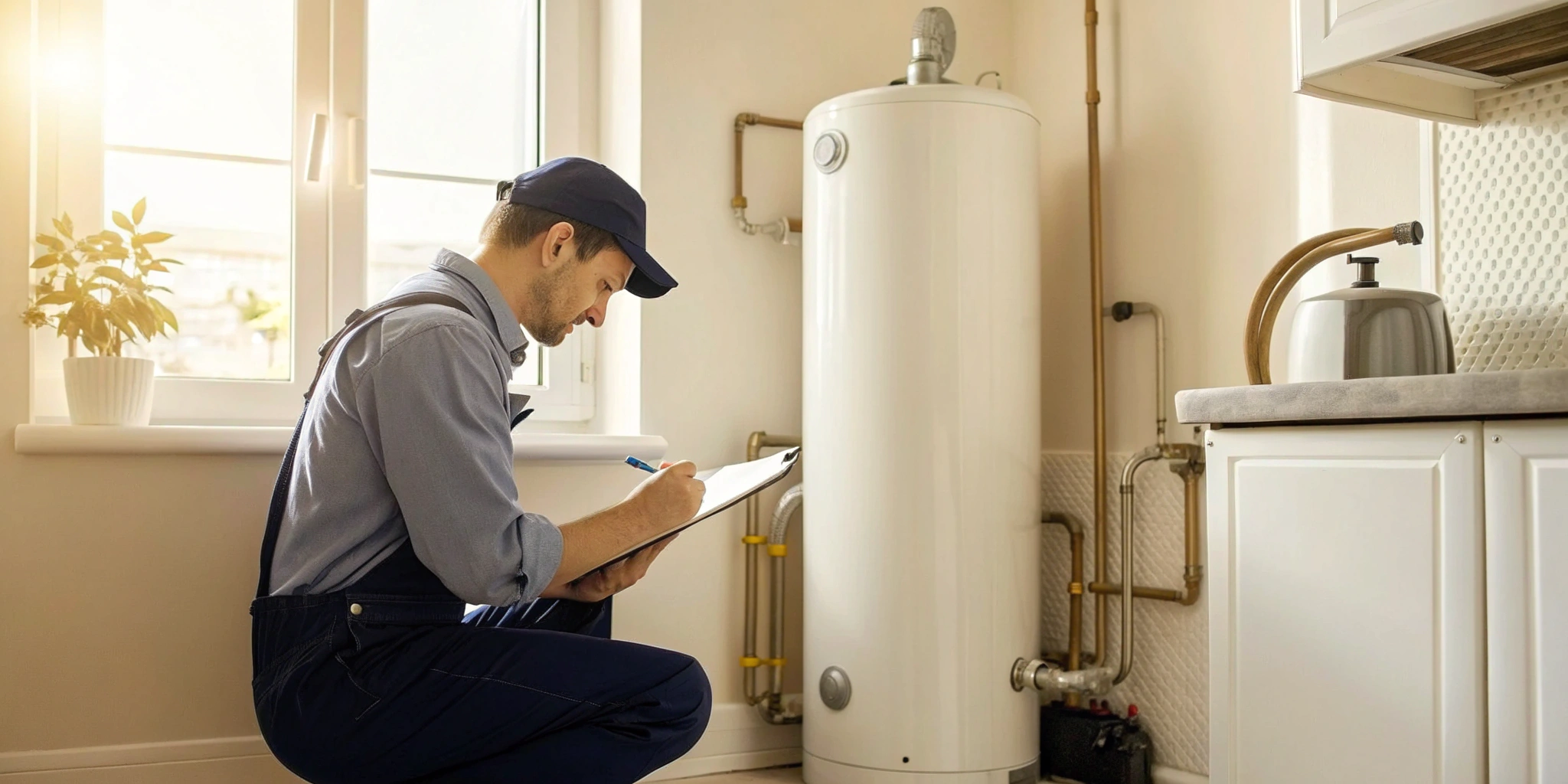
General plumbers handle a wide range of household issues, from clogged drains to pipe leaks, and most can technically work on a water heater when called. But water heaters involve gas lines, electrical components, or both, along with pressure relief systems and combustion venting that require more specialized knowledge than general plumbing repairs typically demand. A water heater plumber who focuses specifically on these systems tends to diagnose problems faster and more accurately than a generalist encountering a less familiar system only occasionally, since pattern recognition across hundreds of similar repairs matters more than broad plumbing competence for this particular category of work.
This specialization becomes especially relevant with gas water heaters, where improper venting or combustion air supply creates carbon monoxide risks that aren’t always obvious during a routine repair visit. A plumber unfamiliar with the specific venting requirements for a given water heater model might complete a repair that looks functional but leaves a dangerous ventilation issue unaddressed, since the problem may not manifest immediately or obviously. Specialists who work with these systems daily develop an instinct for checking these safety-critical details as standard practice, rather than treating them as secondary concerns behind the more visible plumbing repair itself.
Permit and Code Compliance Issues Surface More Often Than Homeowners Expect
Water heater installation and major repair work typically falls under local building codes requiring permits and inspection, a requirement some general contractors skip or handle informally without proper documentation. Skipping this step might save time initially, but it creates real problems later — insurance claims following water damage or fire can be denied if the water heater installation lacked proper permits, and home sales sometimes stall when inspectors discover undocumented work that doesn’t meet current code requirements. A homeowner who hired an uninsured or unlicensed installer to save money upfront may find that decision costing considerably more during a future claim dispute or home sale.
Code requirements also change over time, and a water heater installed correctly according to standards from a decade ago might not meet current requirements for a replacement or major repair today. Specialists who stay current with these evolving codes catch compliance issues that a plumber working from outdated knowledge might miss entirely, particularly around venting clearances, seismic strapping requirements in areas prone to earthquakes, and expansion tank requirements that some older installations never included but current code now mandates in many jurisdictions.
Emergency Situations Reward Prior Relationships Over Cold Searches
Water heater failures rarely happen at convenient times, and a homeowner searching for emergency help during an active leak or complete system failure is at a significant disadvantage compared to someone who already has an established relationship with a trusted plumber. Emergency service calls during off-hours often come with premium pricing regardless of provider, but a homeowner with no existing relationship faces additional risk of being paired with whoever happens to be available, rather than someone with genuine expertise in water heater systems specifically.
Establishing a relationship with a specialist before an emergency occurs, even something as simple as a routine maintenance visit, gives homeowners a known contact to call when something does go wrong rather than starting from scratch during a stressful situation. This matters particularly for older systems approaching the end of their expected lifespan, where a homeowner might reasonably anticipate needing service within the next year or two. Scheduling a proactive inspection with a water heater plumber before a failure occurs often reveals warning signs that allow for planned replacement on a homeowner’s own timeline, rather than facing a rushed emergency decision during an actual system failure.
