
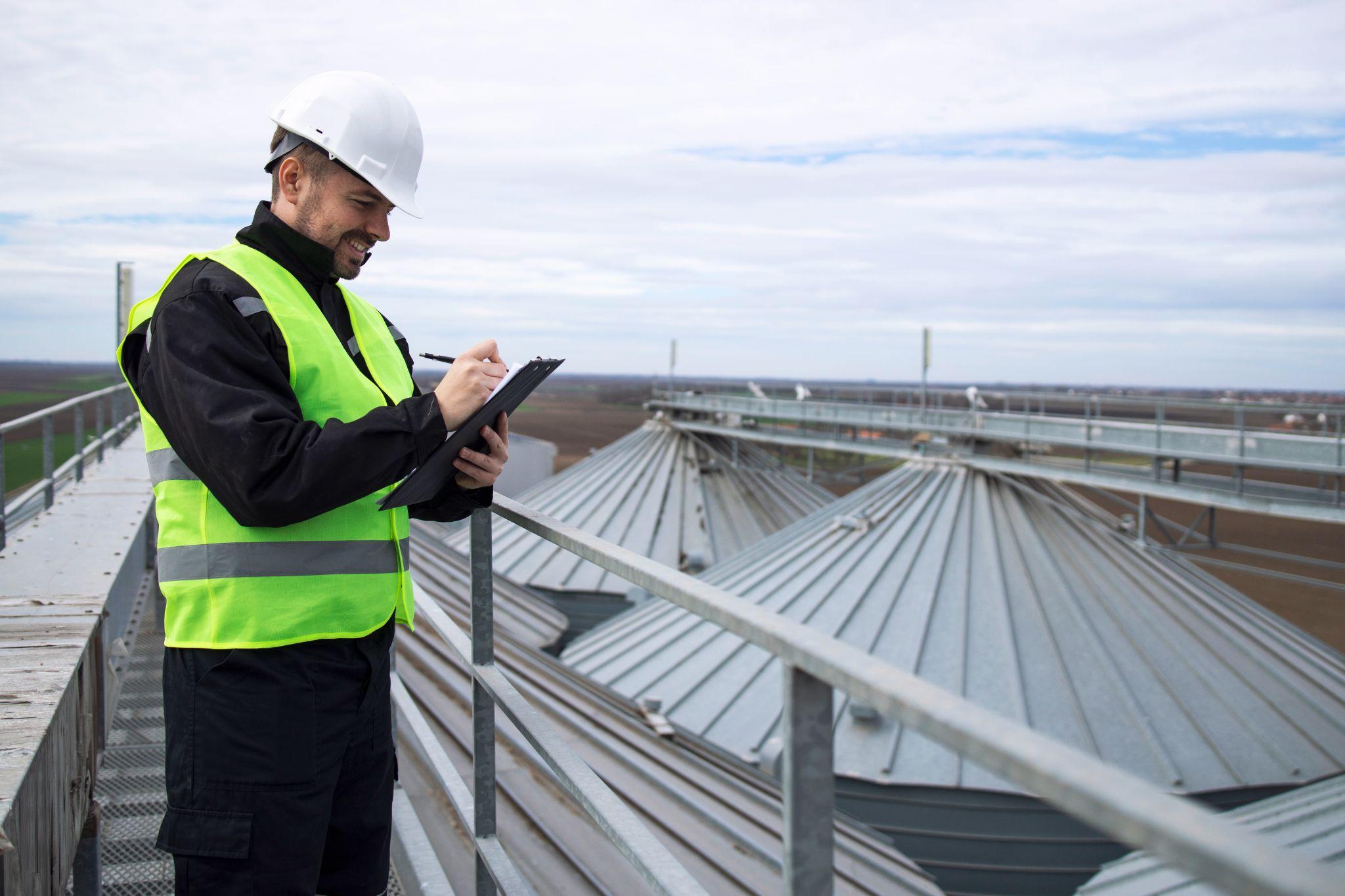
Commercial roofing systems must withstand years of changing weather, regular maintenance, and the demands of the buildings they protect. From warehouses and manufacturing facilities to retail centers and agricultural buildings, a roof needs more than a suitable covering to perform reliably. Its strength depends on the materials beneath the surface, the quality of the structural framework, and how each component works together.
Choosing appropriate roofing materials can influence a building’s durability, maintenance requirements, safety, and long-term operating costs. Weak or unsuitable components may contribute to structural movement, leaks, and premature deterioration. Strong materials, when correctly selected and installed, help reduce these risks.
1. Structural Strength Supports the Entire Roofing System
A commercial roof consists of several interconnected components, including the primary frame, secondary supports, roof deck, insulation, waterproofing layers, and exterior covering. Each component serves a specific purpose, but the overall system depends on the strength and compatibility of these materials.
Supporting roof loads
Roof structures must carry their own weight, along with additional loads from maintenance workers, equipment, and environmental conditions. Depending on the location and building design, they may also need to withstand accumulated rainwater, snow, and wind forces.
The steel purlins for sale are one example of structural components used in many metal roofing systems. These horizontal members support roof sheeting and transfer loads to the building’s primary structural frame. Their dimensions, thickness, spacing, and connection details affect how effectively they perform this role.
Selecting purlins requires more than comparing material prices. Engineers must consider the roof span, expected loads, steel properties, and applicable building codes. The correct specification helps ensure the roof has adequate support without relying on unnecessarily heavy components.
Preventing excessive movement
A roof that bends excessively under normal loads can place stress on fasteners, seams, and other connected materials. Over time, this movement may contribute to loose connections, distorted panels, or water infiltration.
Appropriately designed structural supports help control deflection and maintain the intended shape of the roofing system. This is especially important for large commercial buildings with wide roof spans.
2. Weather Resistance Depends on Material Selection
Commercial roofs are exposed to environmental conditions throughout their service lives. Heat, ultraviolet radiation, wind, moisture, and temperature fluctuations can affect different materials in different ways.
Managing wind pressure
Wind creates both downward pressure and uplift forces. During strong storms, uplift can place significant stress on roof panels, fasteners, connections, and supporting members.
The performance of the complete assembly matters. Even strong steel components cannot compensate for poorly designed connections or inadequately secured roofing sheets.
Project teams should account for local wind conditions, building height, roof shape, and exposure when selecting materials and designing attachments. Following applicable wind-load standards helps reduce the likelihood of roof damage during severe weather.
Handling heat and moisture
Metal roofing can experience repeated expansion and contraction as temperatures change. Materials and connection systems must accommodate this movement without compromising the roof’s integrity.
Moisture creates a different challenge. Unprotected steel may corrode when exposed to water, particularly in coastal environments or industrial facilities where airborne salts and chemicals accelerate deterioration.
Protective coatings, suitable material grades, effective drainage, and regular inspections help address these risks. The right combination depends on the building’s location and operating environment.
3. Strong Materials Help Extend Roof Service Life
Replacing a commercial roof can interrupt operations, require specialized labor, and create significant expenses. Material selection can influence how frequently repairs and major maintenance work become necessary.
Reducing premature deterioration
Materials that are poorly suited to their intended loads or environmental conditions may deteriorate faster than expected. Thin or inadequately supported components can deform, while unsuitable protective finishes may fail in corrosive environments.
Choosing materials according to engineering requirements helps reduce avoidable wear. However, strength alone does not guarantee longevity. Installation quality, drainage, ventilation, and maintenance also influence long-term performance.
Planning for maintenance access
Commercial roofs often need periodic inspections of drainage outlets, flashing, rooftop equipment, and other vulnerable areas. These activities create additional loads and require safe access.
Designers should account for anticipated maintenance activities when evaluating structural capacity. Designated access routes, suitable walkways, and properly supported equipment platforms can help protect the roof while providing safer working conditions.
4. Material Strength Influences Long-Term Project Costs
The lowest initial material price does not always represent the most economical choice. Commercial roofing decisions should consider installation expenses, maintenance needs, expected service life, and the potential cost of operational disruptions.
Balancing initial cost and durability
A stronger or more corrosion-resistant material may have a higher upfront cost. That additional expense may be justified when it reduces the likelihood of repairs or replacement under the building’s expected operating conditions.
For example, a warehouse located in a humid coastal region may require different corrosion protection from a facility in a dry inland area. Selecting a material based only on its purchase price could overlook the environmental conditions that determine its long-term performance.
Building owners should compare options using realistic assumptions about service life, maintenance, and exposure rather than relying on initial cost alone.
Avoiding unnecessary material use
Greater strength does not automatically mean that every component should be heavier or thicker. Oversized materials can increase costs and add unnecessary weight to the structure.
Engineering calculations help identify appropriate dimensions and material specifications for the required loads. A properly designed roof balances strength, weight, durability, and cost while meeting relevant safety requirements.
5. Corrosion Protection Is Essential for Metal Roofing
Steel is widely used in commercial roofing because of its structural properties and adaptability. However, its performance depends partly on how well it is protected against corrosion.
Selecting suitable protective finishes
Galvanized steel uses a zinc coating to help protect the underlying metal from corrosion. Other coating systems may be appropriate depending on the environment, exposure, and expected service conditions.
The selection process should consider more than the appearance of the finished material. Project teams should evaluate coating specifications, compatibility with adjacent materials, and the manufacturer’s guidance for handling and installation.
Preventing moisture-related damage
Roof leaks, blocked drains, damaged coatings, and persistent condensation can increase the risk of corrosion. Areas around fasteners, cut edges, joints, and penetrations deserve particular attention because protective layers may be vulnerable at these locations.
Regular inspections can identify early warning signs before damage becomes extensive. Promptly repairing damaged coatings and addressing the source of moisture can help preserve the structural components beneath the roof covering.
6. Building Codes and Engineering Determine Suitable Strength
Material selection should be guided by engineering requirements rather than assumptions about what appears sufficiently strong. Commercial roofing projects must comply with the building codes and standards applicable to their location and building classification.
Evaluating design loads
Structural engineers assess relevant loads, including dead loads from permanent building components, live loads associated with maintenance and use, and environmental loads such as wind or snow where applicable.
These calculations influence member sizes, support spacing, connection details, and the overall structural arrangement. They also help determine whether existing roof structures can safely accommodate additional equipment, such as solar panels or mechanical systems.
Changes to an existing roof should be evaluated carefully because added loads can affect components that were not originally designed to support them.
Verifying material specifications
Procurement teams should confirm that supplied materials meet the required grades, dimensions, coating specifications, and relevant standards. Documentation and traceability can help establish whether materials match the project’s approved design.
Material substitutions should also receive appropriate technical review. A product with similar dimensions may not have the same strength or structural performance as the originally specified component.
7. Installation Quality Determines How Well Materials Perform
Even high-quality materials can underperform when they are installed incorrectly. Roofing systems depend on accurate measurements, suitable fasteners, proper connections, and careful coordination between trades.
Maintaining correct connections
Structural components transfer forces through their connections. Incorrect fastener placement, unsuitable bolts, poor alignment, or inadequate tightening can weaken these load paths.
Installation teams should follow approved drawings, manufacturer instructions, and relevant engineering specifications. Any unexpected site conditions should be reviewed before workers make changes to structural components.
Protecting materials during construction
Steel components can be damaged during transportation, storage, and installation. Scratches, bent sections, damaged coatings, and prolonged exposure to standing water may affect their condition before the roof is completed.
Proper storage and handling help preserve material quality. Construction teams should also inspect delivered components and resolve visible defects before incorporating them into the roofing system.
Conclusion
Material strength is a fundamental consideration in commercial roofing because it affects structural safety, weather resistance, maintenance requirements, and long-term costs. However, a reliable roof depends on more than selecting strong materials. Components must be properly specified, compatible with the building’s environment, correctly installed, and maintained throughout their service life.
By considering structural loads, corrosion protection, engineering requirements, and installation quality early in the planning process, building owners and project teams can make informed decisions. The goal is not simply to choose the strongest available materials, but to create a roofing system that delivers appropriate performance, durability, and value for the building’s intended use.
FAQs
1. Why is material strength important in commercial roofing?
Material strength helps a roofing system support its own weight, maintenance loads, and environmental forces. Appropriate materials and structural design also help control deflection, reduce the risk of component failure, and protect the building from weather-related damage.
2. Which materials are commonly used in commercial roofing structures?
Steel is commonly used for structural framing and roof supports, while roofing systems may incorporate metal panels, concrete, timber, insulation, and waterproofing membranes. The appropriate combination depends on the building design, climate, intended use, and applicable engineering requirements.
3. How can building owners improve the durability of a commercial roof?
Building owners can improve roof durability by selecting materials suited to local environmental conditions, ensuring professional installation, maintaining effective drainage, and scheduling regular inspections. Promptly addressing leaks, damaged coatings, loose fasteners, and other defects can help prevent minor issues from developing into costly repairs.
