
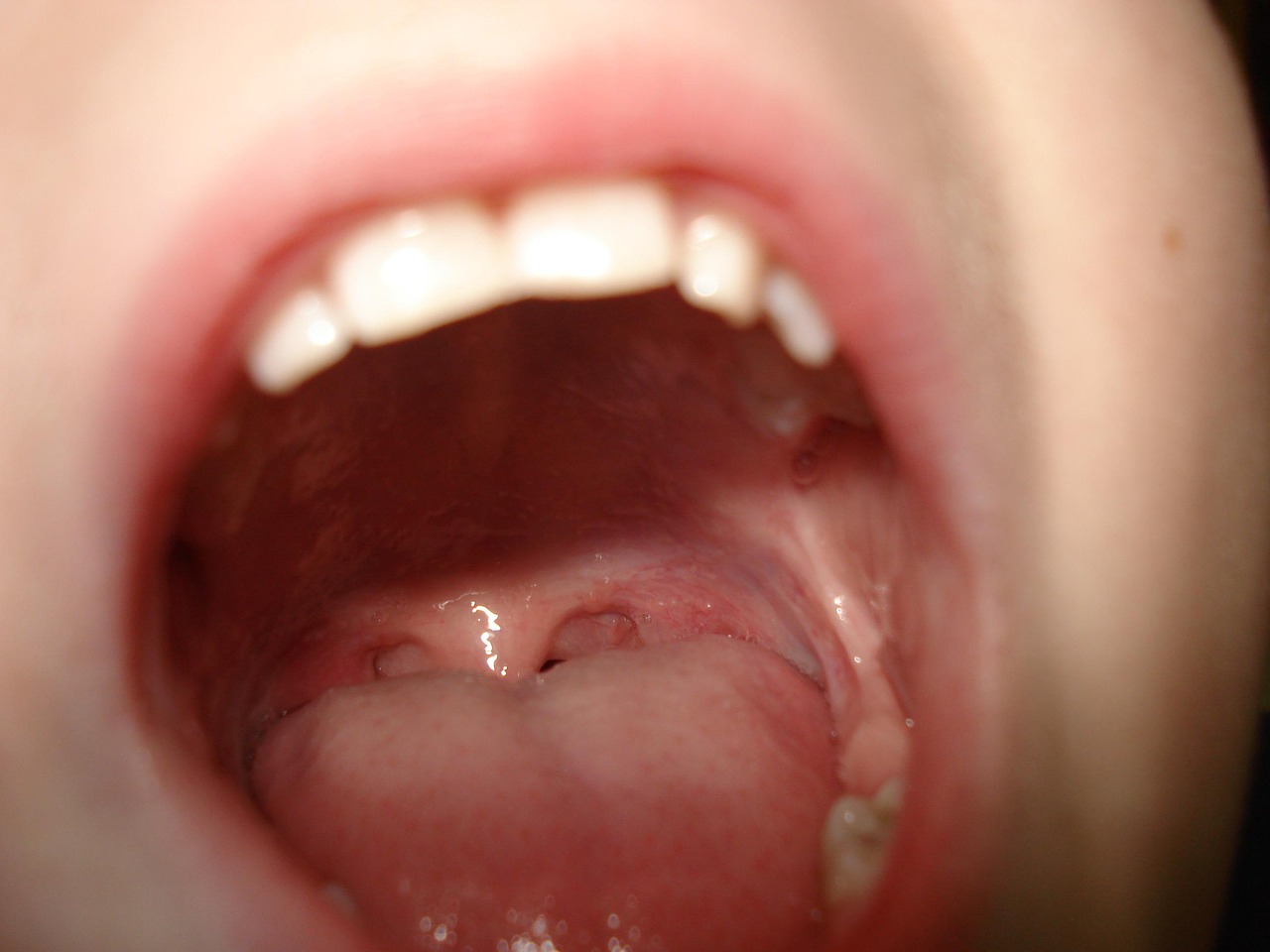
You notice a sore in your mouth and try to ignore it. Maybe it stings when you eat, maybe it rubs against your cheek all day, or maybe it has just stayed there long enough to start bothering you in a different way. Most mouth sores are minor and heal on their own, but some do not. That is the hard part. It can be difficult to tell when you are dealing with a simple irritation and when you need care from a General And Emergency Dentist or a dentist in Elizabeth, NJ.
If a sore lasts too long, changes in appearance, bleeds, causes swelling, or makes it harder to eat or speak, it deserves prompt attention. Those are some of the clearest signs a mouth sore needs prompt dental evaluation. A dentist can check whether the problem is irritation, infection, trauma, or something more serious that should not wait.
A mouth sore that lasts more than two weeks needs professional attention
The two week mark matters. Small canker sores, minor burns from hot food, and areas irritated by biting your cheek often improve within a week or two. When a sore stays past that point, the usual healing pattern has changed.
You may be telling yourself it is probably nothing because it does not hurt much. That happens more often than people think. Some sores linked to deeper problems are painless at first, which is one reason they get overlooked. According to the MedlinePlus overview of mouth sores, sores that do not heal should be evaluated, especially when they persist or keep returning.
This is where a persistent oral ulcer becomes different from a routine irritation. A sore that lingers can be tied to friction from a broken tooth, a rough filling, an infection, immune issues, or early tissue changes that need testing. Waiting another few weeks rarely gives you better information. It mostly delays answers.
Changes in color, texture, or shape can signal more than simple irritation
A sore that turns white, red, dark, thickened, or crusted deserves a closer look. The same is true if the edges become raised or the surface looks uneven. People often expect a serious problem to look dramatic, but early warning signs can be subtle. It may look like a flat patch, a firm spot, or an ulcer that seems oddly fixed in place.
The National Institute of Dental and Craniofacial Research page on oral cancer describes warning signs such as red or white patches, sores that bleed easily, and areas that do not heal. That does not mean every unusual sore is cancer. It does mean those changes should not be brushed off.
If you wear dentures or have a tooth that constantly rubs one area, the tissue may look irritated for a reason. Even then, repeated trauma can hide another issue underneath. A dental exam helps separate surface irritation from something that needs treatment right away.
Bleeding, swelling, or a lump raises the need for prompt dental care
A sore that bleeds without much provocation is not acting like a routine canker sore. The same goes for swelling in the gums, cheek, jaw, or neck, or a lump you can feel with your tongue. These changes can point to infection, cysts, injury, or abnormal tissue growth.
Swelling often brings another layer of stress because it can change quickly. A small tender area can become a larger, throbbing problem overnight, especially if infection is involved. An untreated dental infection can spread into nearby tissue and become an emergency. A mouth sore warning signs checklist should always include swelling and unexplained bleeding for that reason.
The UAB guide to oral cancer warning signs and early detection also notes lumps, thickened tissue, and persistent sores as problems that need evaluation. Early assessment gives you more options and often simpler treatment.
Pain with chewing, swallowing, or speaking affects more than comfort
Some people wait because they think pain has to become severe before it counts. That is a rough standard to live by. If a sore makes it hard to chew on one side, swallow normally, open your mouth fully, or speak without discomfort, it is already affecting daily life in a real way.
You may start avoiding certain foods, skipping meals, or drinking less because it hurts. Children and older adults can get dehydrated faster when mouth pain limits eating and drinking. If pain spreads to the ear, jaw, or throat, that also deserves attention.
This is one of the clearest mouth sore symptoms that need a dentist because it reflects function, not just appearance. A dentist can check whether the cause is a traumatic ulcer, infected tooth, abscess, salivary gland issue, or tissue change that needs referral.
Recurring sores and sores linked to sharp teeth or dental appliances should not be ignored
A sore that keeps coming back in the same spot usually has a reason. Sometimes it is stress or irritation. Sometimes it is a sharp tooth edge, broken filling, braces wire, or denture flange rubbing the same tissue over and over. Repeated injury prevents healing and can make a small problem turn into a lasting one.
If you can trace the sore to a damaged tooth or appliance, that does not make it harmless. It makes the need for treatment clearer. The source of the trauma has to be fixed, not just the sore itself. This is where a general dentist can often solve the problem quickly by smoothing a tooth, adjusting an appliance, or treating the underlying dental issue.
Watching at home versus getting a dental exam
|
Situation |
Home Monitoring May Be Reasonable |
Prompt Dental Evaluation Is Safer |
|---|---|---|
|
Small sore after biting cheek or eating hot food |
Yes, if it improves within 7 to 14 days |
No improvement after 2 weeks |
|
Pain level |
Mild discomfort that is getting better |
Pain that worsens or limits eating, drinking, or speaking |
|
Appearance |
Looks smaller each day |
White, red, dark, thickened, raised, or irregular area |
|
Bleeding or swelling |
None |
Bleeding, lump, facial swelling, or swollen neck glands |
|
Cause |
Clear minor injury that is healing |
Sharp tooth, broken filling, denture rubbing, or unknown cause |
Three steps you can take right now
Check the timeline. Think back to when the sore first appeared. If it has been close to or beyond two weeks, stop waiting for it to sort itself out.
Look for changes. Use a mirror and good light. Note the size, color, bleeding, swelling, and whether it hurts to eat or talk. A quick phone photo can help you track whether it is healing or changing.
Remove obvious irritation and schedule care. Avoid spicy foods, tobacco, and alcohol based mouth rinses if they sting the area. If a sharp tooth or dental appliance seems involved, arrange a visit with a general dentist as soon as possible.
Mouth sores are common, and many heal without treatment. The ones that do not follow that pattern should not be ignored. If you are seeing any of these 5 signs a mouth sore needs prompt dental evaluation, trust that instinct and book an exam with a general dentist. Getting it checked now can spare you more pain, more worry, and a more complicated problem later.
