
A birthday text that just says “Happy Birthday!” gets forgotten in an hour. But some messages get saved. Screenshotted. Read again a few days later.
Those messages usually aren’t fancy. They’re just honest.
What Makes a Message Actually Stick
It’s not about having perfect words or knowing fancy vocabulary. It comes down to a few small habits, ones that are easy to learn and easy to forget to use. Below are five of them.
1. Start With the Person, Not the Occasion
A lot of messages sound the same because they’re written for the occasion instead of the person. “Happy anniversary” could be sent to almost anyone. It doesn’t say anything specific about the two people it’s meant for.
Think about the person first instead. What do you actually know about them? Maybe they laugh at their own jokes before finishing the punchline. Maybe they call their mom every Sunday without fail. Small details like this make a message feel like it could only have come from you.
You don’t need a long list either. One good detail is enough. Something like: “Watching you two build a life together, still laughing at the same old jokes, has been one of the best parts of knowing you both.” That one line says more than most cards manage to say at all. If you want more starting ideas, our collection of birthday blessings has plenty of options to build from.
2. Pick One Real Feeling, Not Five
Some messages try to cover gratitude, hope, love, and encouragement all in a few sentences. It usually ends up feeling crowded instead of heartfelt.
It works better to pick one feeling and stay with it. If you’re proud of someone, say that plainly and don’t rush to add three more compliments after it. If you’re grateful, build the whole message around that one thing. A message with one clear feeling tends to land better than one trying to cover everything at once.
A simple test helps here. Read the message back. If you can describe the feeling in a single word, it’s probably working.
3. Add a Small Personal Touch Through Verse
Plain sentences don’t always say what you’re trying to say. This is where a few lines of verse can help, even if you’re not a poet. Four or five short lines with a bit of rhythm can carry more emotion than a full paragraph of regular writing.
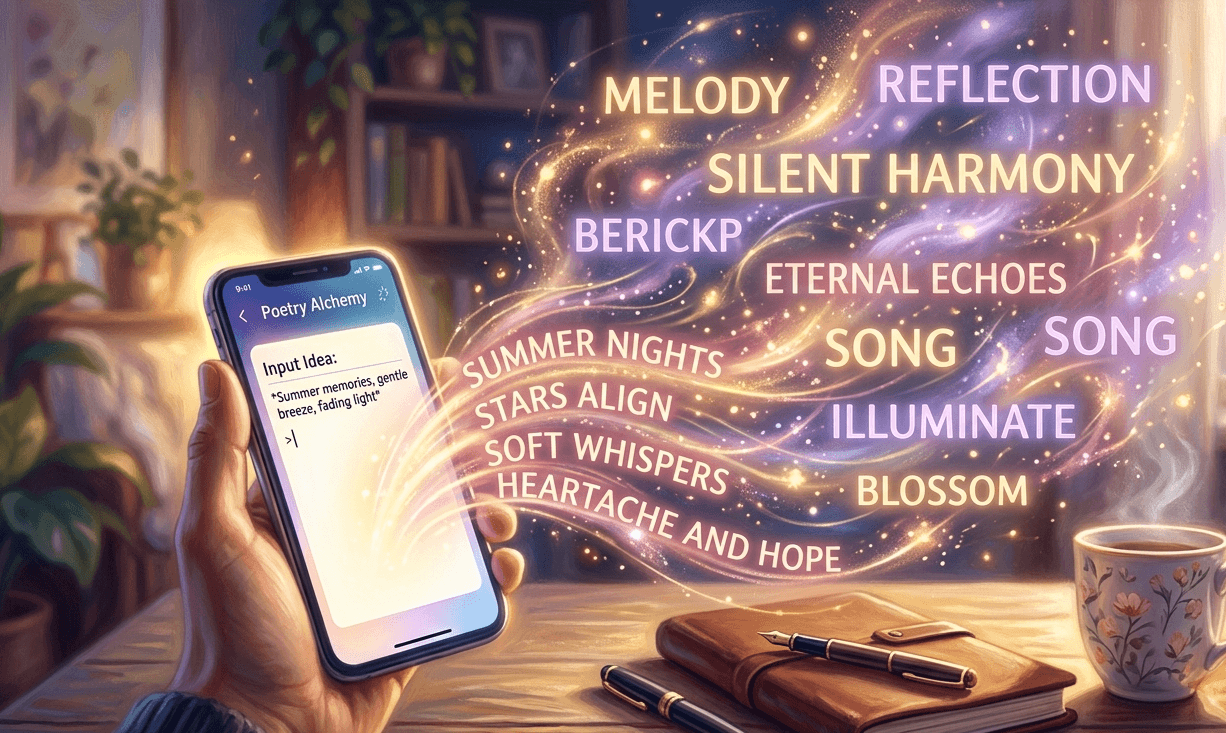
If poetry doesn’t come easily, a tool like an AI poem generator can be a useful starting point. You put in the person, the occasion, or the feeling, and it gives you a few lines to work with. From there, you rewrite it in your own words. It’s less about the finished poem and more about having something to build on.
This tends to work well for birthdays, thank-you notes, or a morning message to someone you care about. A short verse added at the end is often the part people remember afterward.
4. Slow Down Before You Type
Most weak messages aren’t weak because the person didn’t care. They’re weak because they got typed out in fifteen seconds between two other things.
Rushed writing tends to reach for whatever comes to mind first, and that’s usually the most generic option. “Thinking of you” and “sending blessings” aren’t bad phrases, but they’re the default ones, not the thoughtful ones.
Taking sixty seconds before hitting send is usually enough. Picture the person actually reading the message on their phone. That small pause often changes the whole message.
5. Write It the Way You’d Say It Out Loud
Formal-sounding words show up in messages more often than people notice, words like the following:
- Cherished
- Blessed beyond measure.
- Eternally grateful
They show up because that’s the language greeting cards tend to use, not because anyone actually talks that way.
This is caught by reading the message out loud before you send it. If it sounds like something you wouldn’t say directly to that person, it’s worth editing. “I’m really proud of you” sounds better than “words cannot express my pride” because the first sounds like a person and the second sounds like a template.
This one habit fixes more stiff, forgettable messages than anything else on this list.
It Doesn’t Have to Be Perfect, Just Honest
You don’t need any great writing skill to do any of this. It’s just about slowing down, picking one real feeling, and saying it as you would really say it out loud.
A quick summary, if you want to remember just one line from each habit:
- Write for the person, not the occasion
- Pick one feeling, not five
- Try a short verse when plain words fall short
- Wait sixty seconds before hitting send
- Read it out loud before you send it
So the next time you sit down to write a blessing, a birthday wish, or a morning message, try just one of these habits. That’s often enough to turn a message someone sees once into a message they actually keep.
FAQs
How can I make a birthday message more personal?
“Don’t wish something general, wish something specific about the person. A small detail or inside joke will work better than any generic line.
What if I’m bad at words?
Keep it simple and truthful. A short, honest line is better than a long, polished line that doesn’t sound like you.
Can I send a short poem in a normal message?
Yes. And sometimes just a few simple lines of verse at the end stand out more than the rest of the message combined.
How long should a heartfelt message actually be?
Long enough to say one real thing well. Usually, short and specific works better than long and vague.
Why do some blessings sound generic, even when they are kind?
Usually because they are written for the occasion, not the person. “It makes it feel real to name something specific about them.
