
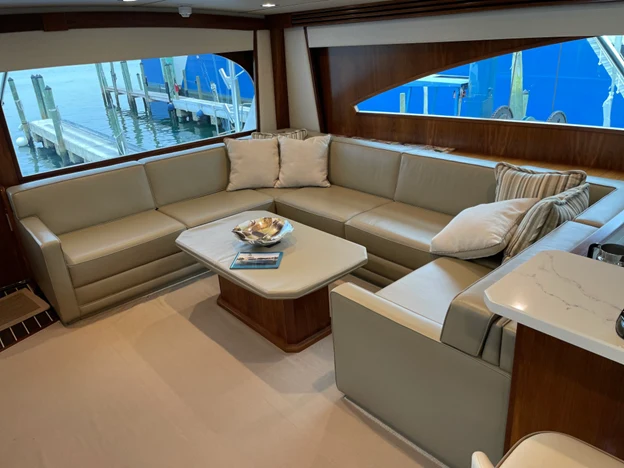
Boat seating has to handle conditions that ordinary furniture rarely encounters. Direct sunlight, saltwater, humidity, rain, sunscreen, frequent use, and moisture can gradually affect fabric, foam, stitching, and underlying structures. Once seats become cracked, faded, uncomfortable, or difficult to maintain, replacing the upholstery can make a noticeable difference.
Choosing boat seat upholstery should not be based on fabric color alone. Marine-grade materials, suitable foam, accurate patterning, strong stitching, and proper installation all contribute to seating that looks good and performs reliably on the water.
Why Does Boat Seating Need Marine-Specific Upholstery?
Boat seating is exposed to a combination of environmental and physical stresses. Even when a vessel is covered, humidity and moisture can still affect the upholstery.
UV Exposure
Repeated sunlight can cause colors to fade and may contribute to material deterioration. Marine upholstery fabrics are designed with outdoor exposure in mind, helping them maintain their appearance under demanding conditions.
The amount of direct sunlight your boat receives should influence your fabric selection. A boat that spends extended periods outdoors may need materials with stronger UV resistance.
Saltwater and Moisture
Salt residue can accumulate on seats and seams, while water can become trapped inside cushions. Choosing materials designed for marine environments can help reduce problems associated with regular moisture exposure.
Freshwater rinsing and appropriate cleaning can also help remove salt and debris before they build up.
Frequent Use
Boat seats are exposed to constant movement, friction, and contact with wet clothing. Helm seats and cockpit cushions may receive especially heavy use.
Durable fabric and properly selected foam can help the seating retain its shape and comfort.
Mold and Mildew Concerns
Warm and humid conditions can contribute to mildew when moisture remains trapped. Properly selected marine materials, good drainage, regular drying, and appropriate maintenance can help reduce the risk.
Which Parts of a Boat Can Receive New Upholstery?
Boat upholstery can be replaced in individual areas or as part of a larger interior refit. The scope depends on the condition of the existing seating.
Helm Seats
Helm seats need to balance comfort with durability. Since they are frequently used and may be exposed to direct sunlight, the fabric and foam should be selected according to the boat’s operating conditions.
A properly fitted replacement can also restore support when old foam has become compressed.
Cockpit Cushions
Cockpit cushions are exposed to weather, spray, food, dirt, and regular activity. Marine-grade fabric can make these high-use areas easier to maintain.
The cushion construction should also allow moisture to escape rather than remain trapped inside.
Bench Seating
Bench seats can cover a larger surface area and may require multiple cushions or sections. Accurate measurements are important to maintain consistent spacing and alignment.
Replacement upholstery can refresh the appearance while addressing worn fabric and tired cushioning.
Bolsters and Lounge Areas
Bolsters and lounge cushions often experience repeated contact. Their shape and stitching need to accommodate the design of the boat.
Custom fabrication can help ensure that these pieces follow the existing curves and dimensions.
How Do You Choose the Right Upholstery Fabric?
Fabric is one of the most visible elements of a boat seating project, but appearance should be considered alongside performance.
Marine-Grade Performance
Marine upholstery fabrics are intended for demanding outdoor conditions. The appropriate material should match the boat’s exposure, usage, and maintenance requirements.
UV Resistance
Strong sunlight can gradually affect fabric color and performance. A fabric with suitable UV resistance can help maintain its appearance for longer.
Water Resistance
Boat seating can encounter rain, spray, and wet clothing. Water-resistant materials can provide an additional layer of protection, although no fabric eliminates the need for proper drying and maintenance.
Mildew Resistance
Mildew resistance is particularly useful in humid marine environments. The complete cushion system should also be designed to manage moisture effectively.
Color and Design
Color can change the character of the boat’s interior. Light shades may create an open appearance, while darker or contrasting tones can provide a different visual effect.
Consider how the upholstery will coordinate with the boat’s flooring, trim, canvas, and other interior elements.
What Makes Boat Foam Different?
Replacing fabric without evaluating the foam can leave an upholstery project incomplete. Foam directly affects how comfortable and durable a seat will be.
Comfort Requirements
Different seating positions require different levels of firmness and support. Helm seating, lounge cushions, and bolsters may not require identical foam specifications.
Density
Foam density affects support and durability. The right specification depends on the intended application and frequency of use.
Water Drainage
Marine cushions need to deal with moisture efficiently. Foam and cushion construction should allow water to move away from the seating rather than remaining trapped.
Drying Characteristics
Faster drying can help reduce prolonged moisture exposure. This can be particularly useful for cockpit cushions that may regularly encounter spray or rain.
Cushion Longevity
Suitable foam can help cushions retain their shape and support. Worn or compressed foam may cause uneven seating and reduce comfort even when the outer fabric appears acceptable.
Why Is Custom Patterning Important?
Boat seats rarely have perfectly standard dimensions. Curves, corners, angles, hardware, and surrounding structures can make precise patterning essential.
Vessel-Specific Dimensions
Custom patterns are created around the actual dimensions of the seating area. This can provide a more precise fit than generic replacement cushions.
Proper Cushion Fit
A cushion that is too large may not sit correctly, while one that is too small can leave unwanted gaps. Accurate patterning helps maintain the intended fit.
Seam Alignment
Consistent seam placement contributes to both appearance and durability. Seams should be positioned thoughtfully according to the shape and use of the cushion.
Hardware Placement
Snaps, fasteners, zippers, and other attachment components need to align correctly with the boat. Poor positioning can make installation difficult or affect how securely the cushions stay in place.
Finished Appearance
Good patterning creates a cleaner overall appearance. Matching dimensions and aligned seams can make a significant difference in the finished upholstery.
When Should Boat Seats Be Reupholstered?
Worn seating does not always need immediate replacement, but certain signs indicate that an upholstery project may be appropriate.
Cracked or Peeling Material
Cracking and peeling are common indicators that the existing covering is deteriorating. Once the material becomes brittle, continued use may cause further damage.
Faded Fabric
Severe fading can affect the overall appearance of the boat. If the material is also becoming weak or brittle, replacement may be more practical than continued maintenance.
Damaged Seams
Loose or separated stitching can allow the upholstery to deteriorate further. Addressing damaged seams early may help prevent more extensive problems.
Compressed Foam
Seats that no longer provide adequate support may have worn or compressed foam. New fabric alone will not correct an underlying cushioning problem.
Water Retention
Cushions that remain damp for long periods may indicate problems with foam, drainage, or construction. Persistent moisture can contribute to odors and mildew.
Loss of Comfort
If seating has become noticeably harder, flatter, or less supportive, a refit may improve both comfort and functionality.
How Can New Upholstery Improve a Boat?
A properly planned upholstery project can affect more than the visual appearance of the seating.
Better Comfort
New foam and properly constructed cushions can provide improved support. The specifications should be selected according to the purpose of each seating area.
Updated Appearance
New upholstery can refresh an aging interior and create a more consistent design across different seating sections.
Improved Usability
Comfortable, properly fitted seating makes the boat’s cockpit, helm, cabin, or lounge areas more practical to use.
Easier Maintenance
Modern marine fabrics may offer cleaning and maintenance characteristics that better suit regular boating conditions. Always follow the specific care instructions for the selected material.
Protection of Underlying Components
Well-fitted upholstery helps cover and protect cushion structures and foam from unnecessary exposure. Proper construction can also reduce the opportunity for water and debris to enter through damaged areas.
For marine upholstery, canvas, and related boat services, Canvas Designers focuses on solutions created for individual marine applications.
What Should You Ask Before Starting an Upholstery Project?
Before approving a project, discuss the details of the materials and construction rather than focusing only on the finished color.
Ask about the fabric’s UV and moisture resistance, foam specifications, stitching, patterning, hardware, and expected maintenance. It is also useful to understand whether the existing foam and seating structure will be inspected before new upholstery is produced.
The installation process should also be discussed. Accurate fitting is just as important as selecting suitable materials, particularly when cushions include snaps, zippers, curves, or unusual dimensions.
A clear discussion before production can help ensure that the finished seating matches the boat and the intended use.
If you need additional information about a marine upholstery project, you can use the contact page to discuss your requirements.
Frequently Asked Questions
1. What type of fabric is best for boat seats?
The best fabric depends on the boat’s exposure, usage, and maintenance requirements. Marine-grade fabric with suitable UV, water, and mildew resistance is generally appropriate for demanding outdoor conditions.
2. Should boat seat foam be replaced with the fabric?
Not necessarily. However, foam should be inspected before reupholstering. If it is compressed, damaged, misshapen, or retaining excessive moisture, replacement may improve the finished result.
3. How often should boat upholstery be replaced?
There is no fixed replacement schedule. UV exposure, frequency of use, maintenance, storage, moisture, and material quality all influence longevity. Visible deterioration and declining comfort are useful indicators.
4. Can custom upholstery improve the fit of boat cushions?
Yes. Custom patterning accounts for vessel-specific measurements, curves, hardware, seams, and attachment points. This can provide a more precise fit than generic cushions.
5. How can I protect new boat upholstery?
Regularly rinse away salt and debris, follow the fabric manufacturer’s cleaning instructions, allow wet cushions to dry properly, and use suitable covers or storage when appropriate. Avoid harsh cleaners and abrasive materials.
