
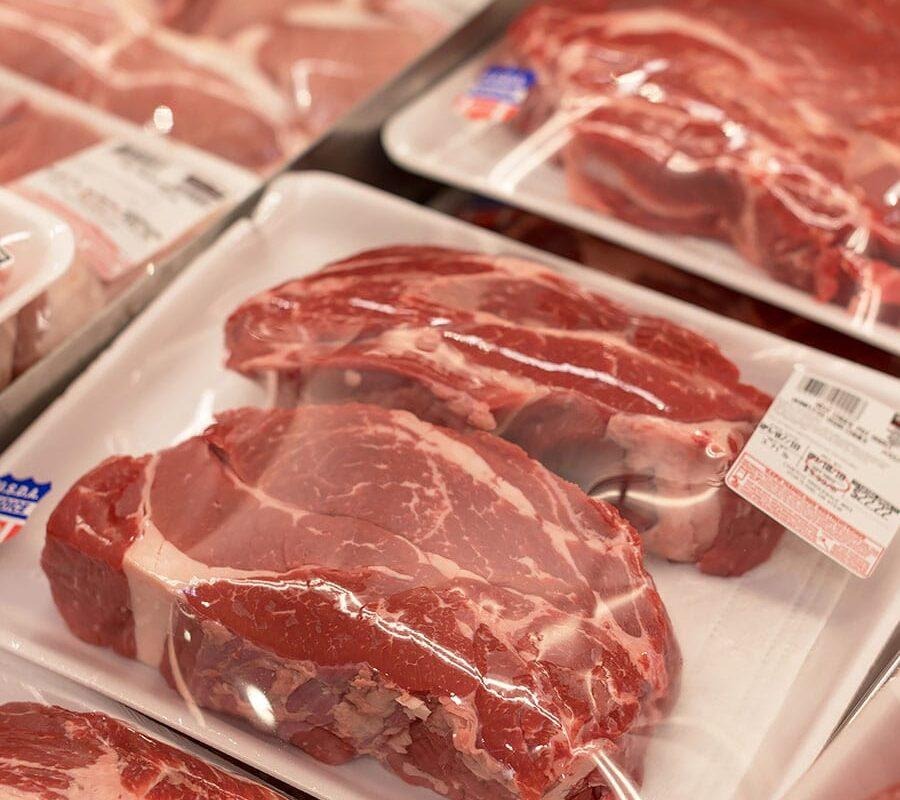
Fresh meat is one of the most demanding food products to package. From processing and transportation to refrigeration and retail display, meat must remain protected from contamination, moisture loss, temperature fluctuations, and other factors that can affect its quality. At the same time, consumers expect packaged meat to look fresh and appealing when they see it on a supermarket shelf. Clear packaging plays an important role in meeting both requirements, but condensation can quickly become a problem. This is where CPP Anti Fog Film has become an important packaging solution. Designed to reduce visible fogging on the inner surface of packaging, anti-fog polypropylene film helps maintain product visibility while providing the protective characteristics required for modern meat packaging. Its combination of clarity, sealing performance, moisture resistance, and anti-fog properties makes it suitable for refrigerated food applications where presentation and product protection are equally important.
Why Meat Packaging Requires Specialized Protection
Meat is highly perishable and requires controlled storage conditions throughout the supply chain. Refrigeration is essential for maintaining quality, but the temperature difference between the packaged product and its surrounding environment can lead to condensation inside the package. When warm, moisture-laden air comes into contact with a cooler packaging surface, water droplets may form.
Although condensation does not necessarily mean that the meat has deteriorated, excessive fogging can make the product difficult to see. For retailers, this can reduce the visual appeal of packaged meat. For consumers, poor visibility can make it harder to evaluate characteristics such as color, cut, marbling, and overall appearance before making a purchase.
Packaging manufacturers therefore need materials that provide reliable protection while maintaining a clear viewing window. CPP Anti Fog Film addresses this challenge by helping minimize the accumulation of visible condensation on the film surface.
Understanding CPP Anti-Fog Film
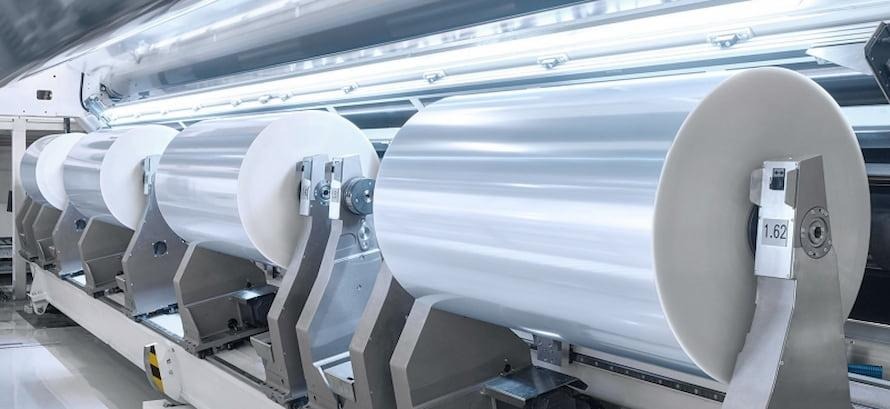
CPP stands for Cast Polypropylene. Unlike some other polypropylene films, CPP is produced by cast extrusion, allowing manufacturers to engineer specific characteristics for different packaging applications. CPP films are known for their flexibility, transparency, toughness, and heat-sealing capabilities.
CPP Anti-Fog Film incorporates anti-fog properties that help prevent small water droplets from forming and remaining as visible beads on the inner packaging surface. Instead of creating a heavily fogged appearance, condensation is encouraged to spread more evenly across the film surface, improving transparency.
This characteristic is especially valuable for refrigerated meat products because the packaging may experience temperature changes during storage, transportation, handling, and retail display. Maintaining visibility under these conditions can make a significant difference in product presentation.
Improving Product Visibility
One of the most obvious benefits of anti-fog packaging is improved visibility. Consumers often make purchasing decisions based in part on what they can see on the package. The appearance of fresh meat can influence perceptions of quality, freshness, and value.
When condensation forms inside conventional packaging, the product may appear blurred or difficult to inspect. Even when the meat itself is in good condition, excessive fogging can create an unattractive presentation.
CPP Anti-Fog Film helps address this issue by keeping the packaging surface clearer. Retailers can display meat products in refrigerated cases while allowing consumers to see the contents more easily. Clear visibility can also help manufacturers showcase the natural appearance of different cuts and packaged portions.
Supporting Freshness and Quality
Packaging cannot replace proper refrigeration, sanitation, or food-handling practices, but the right film can contribute to an effective overall packaging system. CPP films offer useful barrier and sealing properties that can help protect packaged foods when combined with an appropriate packaging structure.
For meat products, maintaining a properly sealed package is particularly important. A reliable seal helps reduce opportunities for external contaminants to enter the package and supports the packaging’s integrity during transportation and handling.
The specific performance of a CPP Anti-Fog Film depends on its formulation, thickness, structure, and the complete packaging system in which it is used. Manufacturers should therefore select film grades according to the requirements of the particular meat product and packaging process.
Moisture Management in Refrigerated Packaging
Moisture is a central consideration in meat packaging. Fresh meat naturally contains substantial amounts of water, and refrigerated conditions can create complex interactions between product moisture, packaging materials, and surrounding temperatures.
Condensation can develop when temperatures change, particularly when packaged products move between different environments. If the packaging surface becomes covered with droplets, visibility is reduced, and the package may look less attractive.
Anti-fog technology helps manage the visual effects of this moisture. By encouraging condensation to spread rather than forming large droplets, CPP Anti-Fog Film can help preserve a clearer appearance. This is particularly useful for chilled meat trays, lidding applications, and other transparent packaging formats where product visibility is important.
Heat-Sealing Performance
A packaging film must do more than look clear. It also needs to work efficiently during the packaging process. Heat sealing is widely used in food packaging to create secure closures around trays, pouches, and other package formats.
CPP films are recognized for their heat-sealing characteristics, which can make them suitable for applications requiring dependable seals. Proper sealing can help maintain package integrity throughout distribution and retail handling.
For meat packaging, sealing performance needs to be evaluated alongside other factors, including seal strength, processing temperature, film thickness, packaging equipment, and the presence of moisture or product residue in the seal area. A well-designed packaging material can contribute to consistent production and reliable package performance.
Durability During Transportation and Handling
Meat products may travel through several stages before reaching consumers. They can move from processing facilities to distribution centers, refrigerated trucks, warehouses, and retail stores. During this journey, packages may experience stacking pressure, vibration, handling, and temperature changes.
Packaging film must therefore provide sufficient mechanical performance for the intended application. CPP can offer flexibility and toughness that help packaging structures withstand routine handling.
When CPP Anti-Fog Film is incorporated into a suitable multilayer packaging structure, it can help balance transparency, sealing performance, flexibility, and durability. The final structure should always be engineered according to the specific product, packaging equipment, and distribution requirements.
Enhancing Retail Presentation
Packaging has become an important part of food marketing. In refrigerated meat sections, products are often displayed side by side, making presentation an important factor in attracting consumer attention.
Clear packaging allows the meat itself to become part of the visual presentation. Consumers can inspect the product without opening the package, while retailers can maintain a consistent and hygienic display.
Fog-free or reduced-fog packaging can be particularly valuable in refrigerated environments. A clear package communicates information visually and makes it easier for shoppers to compare products. For brands competing in crowded retail environments, maintaining attractive packaging can contribute to a stronger overall presentation.
CPP Anti-Fog Film and Packaging Efficiency
Modern food packaging is increasingly focused not only on product protection but also on production efficiency. Packaging films must perform reliably on high-speed equipment while maintaining consistent quality.
The suitability of CPP Anti-Fog Film for a particular production line depends on factors such as film specifications, sealing conditions, machinery settings, package design, and product characteristics. When properly matched to the packaging process, the film can support efficient packaging operations while delivering the transparency and anti-fog performance expected in refrigerated applications.
Manufacturers should evaluate film performance through practical trials before adopting a material for large-scale production. Testing can help determine whether the film provides the necessary seal strength, clarity, anti-fog behavior, mechanical performance, and compatibility with existing equipment.
Applications Beyond Fresh Meat
Although fresh meat is an important application, anti-fog CPP film can be useful for other refrigerated food products where condensation and product visibility are concerns. Poultry, seafood, prepared foods, vegetables, and other chilled products may benefit from packaging structures that combine transparency with moisture-management properties.
The exact film structure can vary depending on the product and packaging format. Some applications may require additional barrier layers, while others may prioritize flexibility, puncture resistance, seal performance, or presentation.
This versatility makes CPP technology valuable to packaging manufacturers developing solutions for a wide range of refrigerated foods.
Choosing the Right CPP Anti-Fog Film
Not every anti-fog film is identical. Packaging manufacturers should consider several factors when selecting a suitable material. The film’s thickness, transparency, anti-fog performance, coefficient of friction, sealing characteristics, mechanical strength, and compatibility with other packaging layers can all influence final performance.
The product’s storage conditions should also be considered. Meat products may experience different temperatures and humidity levels throughout the supply chain, so packaging performance should be evaluated under realistic conditions.
Working with an experienced film manufacturer or packaging supplier can help businesses identify a suitable film specification. Laboratory testing, packaging trials, and shelf-life evaluations can provide valuable information before commercial implementation.
The Future of Meat Packaging
The meat packaging industry continues to evolve as manufacturers respond to changing consumer expectations, retail requirements, and sustainability goals. Future packaging solutions are likely to place greater emphasis on material efficiency, recyclability, resource conservation, and improved performance.
Anti-fog technology will remain relevant because product visibility is closely connected to packaging design. As packaging structures become thinner or more streamlined, manufacturers will need materials that deliver strong performance without unnecessary material use.
CPP-based solutions play an important role because polypropylene can provide a useful combination of flexibility, transparency, sealing properties, and processing versatility. Advances in film formulation and multilayer structures may further improve the performance of anti-fog packaging for refrigerated foods.
Conclusion
Maintaining meat quality requires more than refrigeration alone. Packaging must protect the product, preserve package integrity, withstand transportation and handling, and present the meat clearly to consumers. Condensation can interfere with one of these important functions by reducing visibility and creating an unattractive appearance.
CPP Anti-Fog Film and Clear Cast Polypropylene Film provide a practical solution to this challenge. By helping reduce visible condensation while offering useful transparency, flexibility, heat-sealing performance, and durability, it can contribute to effective modern meat packaging systems.
As the food industry continues to demand packaging that combines performance, presentation, and efficiency, anti-fog film technology is likely to remain an important part of refrigerated food packaging. For meat processors, retailers, and packaging manufacturers, selecting the right CPP Anti-Fog Film can be an effective step toward creating packaging that protects the product while keeping its quality clearly visible.
