
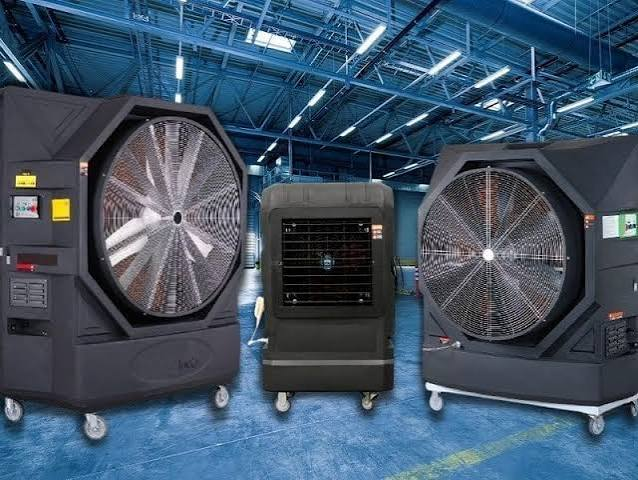
Evaporative cooling is an increasingly popular method of air conditioning, especially in regions where dry heat is prevalent. Among the various options available, the portable evaporative air cooler stands out for its versatility and efficiency. This article explores the multiple benefits of portable evaporative air coolers and why they are an excellent investment for both residential and commercial settings.
What is Evaporative Cooling?
Evaporative cooling relies on the natural process of water evaporation to cool the air. Unlike traditional air conditioners, which use refrigerants and compressors, evaporative coolers utilise water to absorb heat from the air, producing a cooling effect as the water evaporates. This method is energy-efficient and environmentally friendly.
How Portable Evaporative Air Coolers Work
Portable evaporative air coolers consist of a fan, water reservoir, and cooling pads. The device draws warm air through the wet pads, causing the water to evaporate and cool the air. The fan then circulates this cool, moist air into the desired space. Because they are portable, these units can be moved to different rooms or outdoor areas with ease.
Energy Efficiency
One of the primary benefits of portable evaporative air coolers is their low energy consumption. They use significantly less electricity compared to conventional air conditioning units. This reduction in energy usage not only lowers utility bills but also decreases the environmental impact associated with power generation.
Cost-Effective Cooling Solution
Due to their simple design and low energy use, portable evaporative air coolers are more affordable both in terms of initial purchase price and ongoing operating costs. This makes them an accessible cooling option for households and businesses looking to reduce expenses without sacrificing comfort.
Improved Air Quality
Unlike traditional air conditioners, which can circulate dry and stale air, evaporative coolers add moisture to the environment. This can be beneficial in arid climates where low humidity levels cause discomfort and dryness. The increased humidity can help alleviate respiratory issues and improve overall indoor air quality.
Natural Cooling System
Since evaporative coolers employ water as their cooling medium, they avoid the use of harmful refrigerants commonly found in traditional air conditioning systems. This natural cooling process reduces the risk of environmental damage and contributes to sustainable living practices.
Portability and Flexibility
The portability of these units makes them highly flexible. Users can easily relocate the cooler to different rooms or outdoor spaces depending on their needs. This adaptability is particularly advantageous for individuals who rent their homes or who want a cooling solution that can be transported for use in various locations.
Easy Installation and Maintenance
Another benefit of portable evaporative air coolers is that they require no complex installation. Unlike fixed air conditioning systems, these units are plug-and-play devices, ready to use straight out of the box. Maintenance is typically straightforward, requiring periodic refill of the water reservoir and cleaning of the cooling pads to ensure optimal performance.
Environmental Considerations
With increased awareness of climate change and environmental sustainability, choosing energy-efficient and eco-friendly appliances is essential. Portable evaporative air coolers fit this requirement as they utilise renewable water resources and avoid harmful chemical refrigerants.
Reducing Carbon Footprint
Due to their lower electricity consumption, these coolers contribute to a reduced carbon footprint. They help users minimise their environmental impact while maintaining a comfortable indoor environment during warmer months.
Practical Applications
Portable evaporative air coolers are suitable for various situations, including homes, offices, workshops, and outdoor events. Their ability to cool effectively in dry climates makes them valuable in locations where conventional air conditioning may not be practical or affordable.
Use in Outdoor Spaces
Because evaporative coolers add moisture and create a cooling breeze, they are excellent for outdoor areas such as patios, verandas, or garden parties. Their portability allows them to be positioned wherever cooling is needed.
Health Benefits
The increased humidity provided by evaporative coolers can prevent the dryness that often results from conventional air-conditioning systems. Maintaining adequate humidity levels supports skin hydration and reduces irritation to the respiratory tract, which is beneficial, especially during hot weather.
Reduced Risk of Airborne Illnesses
Since these coolers provide fresh air circulation, they can reduce the concentration of indoor air pollutants. Improved airflow and humidity levels may decrease the likelihood of airborne illnesses compared to environments with stagnant, dry air.
Limitations to Consider
While portable evaporative air coolers offer many benefits, it is important to recognise their limitations. They are most effective in dry, hot climates and may be less suitable in areas with high humidity where evaporation is slower, diminishing their cooling capability.
Supplementary Cooling
In certain conditions, portable evaporative air coolers may be best used as supplementary cooling devices alongside other systems to maintain optimal comfort levels throughout the year.
Conclusion
Portable evaporative air coolers present a practical, energy-efficient, and environmentally sustainable method for cooling indoor and outdoor spaces. Their affordability, ease of use, and health benefits make them ideal for various residential and commercial applications. When selecting a cooling system, understanding the advantages of evaporative cooling and considering regional climate factors will help ensure effective and efficient temperature control.
