
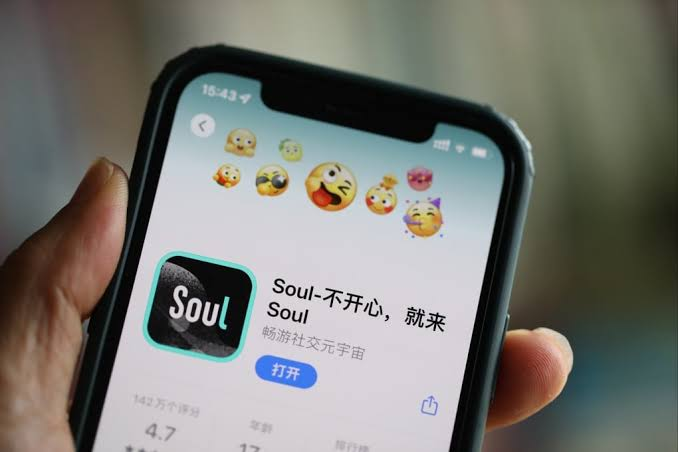
For many Gen Z users, the draw of Soul was never the profile grid or the follower counts. It was the voice. Anonymous voice rooms, interest-based matching, and conversations that felt spontaneous rather than staged gave Soul a loyal following among people who would rather talk than type. But as apps evolve, regions change, and features get pulled, more users are searching for a Soul app alternative that keeps the voice-first social experience alive.
If you want social discovery built around real-time voice — rooms you can drop into, people you can actually talk to, and communities that form around interests rather than selfies — this guide compares the strongest options out there. Here is how the leading alternatives stack up for Gen Z.
What Made Soul’s Voice Social Discovery Different
Before comparing alternatives, it helps to name what Soul did right. The app combined anonymous profiles with voice chat rooms, party games, and personality-based matching. You could join a late-night voice room, play a game with strangers, or get matched with someone based on a personality quiz rather than a photo.
That formula resonated with Gen Z for a reason. Research consistently shows younger users are burned out on appearance-driven feeds and craving low-pressure ways to meet people. Voice is more personal than text but less performative than video — a sweet spot for genuine connection. Any worthwhile alternative needs to capture that same feeling.
What to Look for in a Voice-Based Alternative
Not every “social” app delivers actual social discovery. When evaluating a Soul app alternative, Gen Z users tend to prioritize five things:
Real voice rooms, not just voice messages. Voice notes are nice, but they are not social discovery. Look for live rooms or channels where you can hop in and talk to strangers in real time.
Low-pressure onboarding. Long sign-ups, mandatory profile photos, and identity verification kill the spontaneous vibe that made Soul fun.
Interest-based matching. The best alternatives group people by hobbies, moods, or conversation topics rather than looks or location alone.
Safety and moderation. Anonymous voice spaces can get chaotic. Active moderation, reporting tools, and the ability to block or leave rooms matter.
A Gen Z community. An app is only as good as the people on it. The alternative you pick should have an active young user base that shows up daily.
The Best Soul App Alternatives for Voice Social Discovery
Sugo — Voice Parties and Live Social Rooms
Sugo stands out as one of the closest matches to what Soul users are looking for. Built around live voice parties and social rooms, it lets users join ongoing conversations, host their own rooms, and connect with people through shared interests and real-time interaction.
What Gen Z users appreciate: the atmosphere is lively without being overwhelming, discovery is organized around rooms and topics rather than swiping, and the social layer — gifting, games, and group chats — keeps conversations flowing. If your favorite part of Soul was the party rooms where strangers became regulars, Sugo delivers that same energy.
Litmatch — Anonymous Chat With a Voice Option
Litmatch has carved out a niche with anonymous, avatar-based profiles and interest-driven matching. While it started as a text-first app, its voice call features and soul-game matching (pairing users based on personality responses) echo Soul’s formula closely.
It works well for users who liked Soul’s mystery-meets-matchmaking approach. The avatar system keeps things anonymous while voice features let conversations go deeper than text. The trade-off: voice rooms are less of a centerpiece here than one-on-one calls.
Tiya — Group Voice Rooms by Interest
Tiya focuses on group voice chat organized around topics and communities. Users can create or join rooms dedicated to music, gaming, late-night talk, and more — a structure that feels familiar to anyone who spent time in Soul’s themed rooms.
For Gen Z users who want discovery through shared interests, Tiya’s room-based model works well. The community features help rooms build regular audiences, though the overall user base skews toward users already comfortable with group voice chat culture.
Clubhouse — Topic-Driven Audio Conversations
Clubhouse helped pioneer the live audio room concept, and it remains a strong option for people who enjoy listening and talking around specific topics. Rooms range from casual hangouts to expert-led discussions.
The Gen Z appeal here is the content: rooms about culture, music, careers, and current events attract young, engaged users. It is less about dating-style matching and more about social discovery through ideas — a different flavor, but one that many Soul users end up enjoying.
Discord — Voice Channels for Interest Communities
Discord was not built as a social discovery apps product, but its servers have become one of the most popular ways Gen Z meets people online. Voice channels in gaming, study, hobby, and fandom servers host thousands of live conversations daily.
The advantage is depth: communities are persistent, moderation is robust, and you can find a server for virtually any interest. The disadvantage is friction — finding the right server takes more effort than joining a voice room in an app built for spontaneous discovery.
Quick Comparison
If you want the closest Soul-like experience — live voice parties, spontaneous rooms, and interest-based discovery — Sugo and Tiya lead the pack. Litmatch is the pick for users who valued Soul’s anonymous one-on-one matching and personality quizzes. Clubhouse suits users who prefer topic-driven conversation over casual hangouts, while Discord rewards users willing to invest time in finding the right community.
Safety-wise, all five offer reporting and blocking tools, but the moderation culture varies. Apps with active community management and clear room rules tend to deliver the best experience for younger users.
Conclusion
Soul carved out a unique space by proving that Gen Z wants to talk, not just scroll. The good news is that voice-based social discovery is bigger than any single app. Whether you want lively voice parties, anonymous matching, or topic-driven rooms, there is an alternative that fits your style. Try two or three, spend a week in their voice rooms, and see which community feels like home.
