
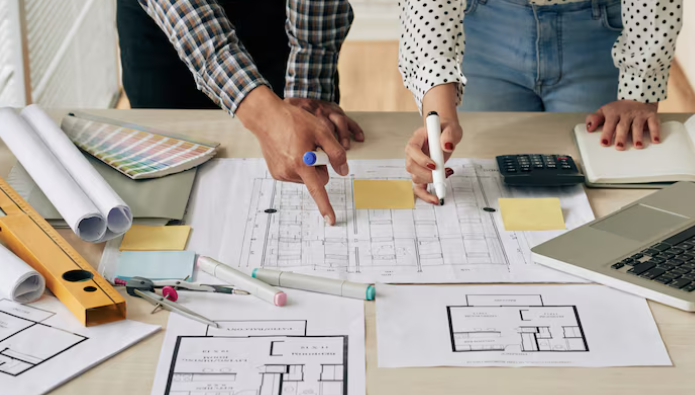
A home remodel has a funny way of testing your patience. One cabinet arrives late. One wall hides a surprise. One “small change” suddenly affects plumbing, flooring, and the budget. That is why clear planning matters so much. It gives you a practical roadmap before the noise, dust, and decisions begin.
Whether you are updating a kitchen, finishing a basement, refreshing bathrooms, or taking on a whole-home renovation, the outcome usually depends on what happens before construction starts. Good planning helps protect your money, your timeline, and your sanity. And yes, your future self will thank you.
The Cornerstone of Home Remodel Planning: Understanding Its Impact
Clear planning keeps a remodel grounded. It helps you understand cost, timing, materials, labor, and design choices before they collide on the jobsite. Without it, even small surprises can become expensive detours.
Homeowners spend about twice as much time on average on the planning phase of a renovation project as they do on the construction phase.
That statistic says a lot. Strong home remodel planning gives you breathing room. You can compare options, ask better questions, spot weak areas, and avoid making rushed decisions while crews are waiting.
The Link Between Planning and Project Success
The remodels that feel smooth usually have one thing in common: the details were handled early. Strong project planning for home renovation connects the design, budget, permits, materials, schedule, and labor before work begins.
When you work with a trusted home remodel contractor, your ideas are shaped into a real plan that can actually be built. That is especially important for kitchens, bathrooms, basements, additions, flooring, drywall, painting, and custom trim. A clear plan can improve your home’s value, reduce delays, and make the whole process feel far less chaotic.
Common Pitfalls Without Proper Management
A detailed plan gives you control before the jobsite starts making decisions for you. Without solid remodeling project management, homeowners often run into rising costs, missed deadlines, mismatched finishes, and results that do not match the original vision.
Then there is the famous remodel phrase: “while we’re at it.” It sounds harmless. Sometimes it even makes sense. But if it is not managed carefully, it can stretch the budget fast.
Once you understand how much planning affects the final result, the next question is obvious: what should good planning include?
Laying the Groundwork: Essential Steps in Remodeling Project Management
Let’s break down the basic steps of remodeling project management from the first idea to the final walkthrough. A clear process will not prevent every surprise, but it does make those surprises easier to handle.
Early Vision and Goal Setting
Every good remodel begins with a clear goal. Vague ideas often lead to rework, delays, and extra costs. The importance of planning home renovation becomes obvious when you define what you truly need. More storage? Better lighting? Easier traffic flow? A cleaner, more modern style?
Save photos. Make sketches. Collect samples. Write down your must-haves and your nice-to-haves. If more than one person lives in the home, talk through priorities early. Nothing slows a project like debating major choices after construction has already started.
Accurate Budget and Contingency Planning
Once your vision is clear, you can connect your wish list to real numbers. Your budget should include labor, materials, permits, cleanup, temporary living needs, and a cushion for unexpected issues.
In 2024, Americans spent an estimated $603 billion on home remodeling projects in 2024. That is a strong reminder that remodeling is not a casual weekend purchase. It is a serious investment in your home.
Timeline Mapping and Milestones
A good budget prevents sticker shock, but a realistic timeline matters just as much. Smart home remodel planning includes delivery dates, permit timing, inspections, lead times, and decision deadlines.
You do not need a complicated system. A shared calendar, simple checklist, or project app can work well. Even a basic timeline is better than trying to keep everything in your head.
Still, even the best plan can fall apart if expectations are unclear or decisions are not documented.
Strategic Communication: The Key Ingredient in Home Remodeling Tips
Communication is where the plan meets real life. Many of the best home remodeling tips are not about tile, paint, or countertops. They are about keeping everyone on the same page.
Collaboration Platforms and Communication Apps
Regular check-ins help prevent the classic “I thought you meant…” problem. Those little misunderstandings can cause delays, extra costs, and frustration. Tools like Trello, Buildertrend, shared photo folders, or group message threads can keep updates, selections, questions, and approvals in one place.
Keep it simple. If a decision affects cost, layout, or timing, do not let it disappear in a casual text thread. Make sure it is clear, confirmed, and easy to find later.
Documentation and Change Orders
Digital tools help people communicate quickly, but written documentation keeps decisions clean. Contracts, drawings, finish lists, payment schedules, and change orders should all be organized and accessible.
A proper change order should explain what changed, why it changed, how much it costs, and how it affects the schedule. Is it exciting paperwork? Not exactly. Is it incredibly useful when questions come up? Absolutely.
Strong communication helps a remodel run smoother, but the experience still depends heavily on who you hire.
Selecting the Right Home Remodel Contractor: Making a Smart Choice
Choosing the right home remodel contractor can shape the entire outcome of your project. A qualified home remodel contractor brings clear communication, organized processes, licensing, insurance, and hands-on experience. A low bid may look tempting at first, but it should never be the only factor.
Green Lights to Look For
A professional home remodel contractor will explain the process before asking you to commit. They should answer questions clearly, provide detailed written proposals, explain permit requirements, and show examples of completed remodels similar to yours.
For Indiana homeowners, local experience can be especially helpful. Weather, building codes, and permitting expectations can vary by area. A family-owned, full-service company with steady communication can be a good fit if you want one reliable point of contact from start to finish.
Red Flags That Deserve Attention
Be careful with vague pricing, pressure tactics, missing contracts, weak references, or poor communication before the job begins. If someone is difficult to reach during the sales process, that usually does not improve once walls are open.
Also, pay attention to bids that seem unusually low. They may leave out important scope, rely on cheaper materials, or lead to surprise charges later.
Once you choose the right team, the next smart move is planning for how you will live in the home years from now.
Future-Proofing Your Remodeling Project With Innovative Planning
Future-focused planning helps your home stay comfortable, useful, and easier to maintain. This is where sustainability, smart features, wellness, storage, and durability all come into play.
Sustainable and Smart Choices
Energy-efficient windows, improved insulation, water-saving fixtures, durable flooring, and low-maintenance materials can bring long-term value. Smart lighting, outlets, thermostats, and security features can also be planned before walls are closed.
The trick is to stay practical. Do not add technology just because it sounds impressive. Add it because it solves a real problem in your daily life.
Technology Tools That Improve Planning
Modern planning is not only about better ideas. It is also about better accuracy before construction starts. Design software, room planners, visual layouts, and virtual walkthroughs can help you catch awkward layouts early.
These tools are especially useful for kitchens, bathrooms, and additions. Sometimes a few inches can completely change how a room feels.
With better tools supporting your plan, the final advantage comes from how you manage the project day by day.
Actionable Home Remodeling Tips for a Better Experience
Now let’s turn the plan into daily habits. The best home remodeling tips are simple, practical, and easy to repeat.
Simple Process Comparison
|
Planning Choice |
What Usually Happens |
Better Move |
|---|---|---|
|
Picking finishes late |
Delays and rushed purchases |
Choose key materials before work starts |
|
Changing scope casually |
Budget confusion |
Use written change orders |
|
Ordering one item at a time |
More delivery gaps |
Group purchases by phase |
|
No decision deadline |
Work slows down |
Set dates for approvals |
A little structure keeps the project moving without making everything feel rigid.
Time-Tested Strategies That Work
Batch purchasing, early contractor involvement, and phased scheduling can reduce interruptions. If cabinets, tile, lighting, and plumbing fixtures are selected early, crews can keep working with fewer pauses.
It also helps to keep a “decision parking lot.” Think of it as a running list of open questions. Nothing fancy. Just a place to make sure details do not get lost between meetings.
When you combine smart planning, clear communication, the right contractor, and useful tools, remodeling becomes much more predictable.
Final Thoughts on Clear Remodel Planning
A successful remodel starts well before demolition day. Clear planning protects your budget, reduces delays, improves communication, and helps the finished space stay close to your original vision. The real value of project planning for home renovation is control. Fewer guesses. Fewer surprises. Better decisions. Give yourself time to plan, choose the right team, and document the details. Your home is too important to leave to hope.
Common Questions About Home Remodel Planning
What are the biggest home renovation mistakes?
The biggest mistakes include starting without a clear budget, skipping permits, choosing cheap labor, changing plans mid-project, and buying materials too late. Most problems trace back to weak planning and unclear communication.
What does Dave Ramsey say about home renovations?
Dave Ramsey generally advises homeowners to avoid debt for renovations, pay cash when possible, and keep an emergency fund intact. His approach favors patient saving over borrowing for upgrades that aren’t urgent.
How do I keep my remodel from falling behind schedule?
Set milestones early, order materials before crews need them, confirm inspection timing, and keep decisions moving. If delays happen, ask your contractor for a revised schedule in writing so everyone stays aligned.
