
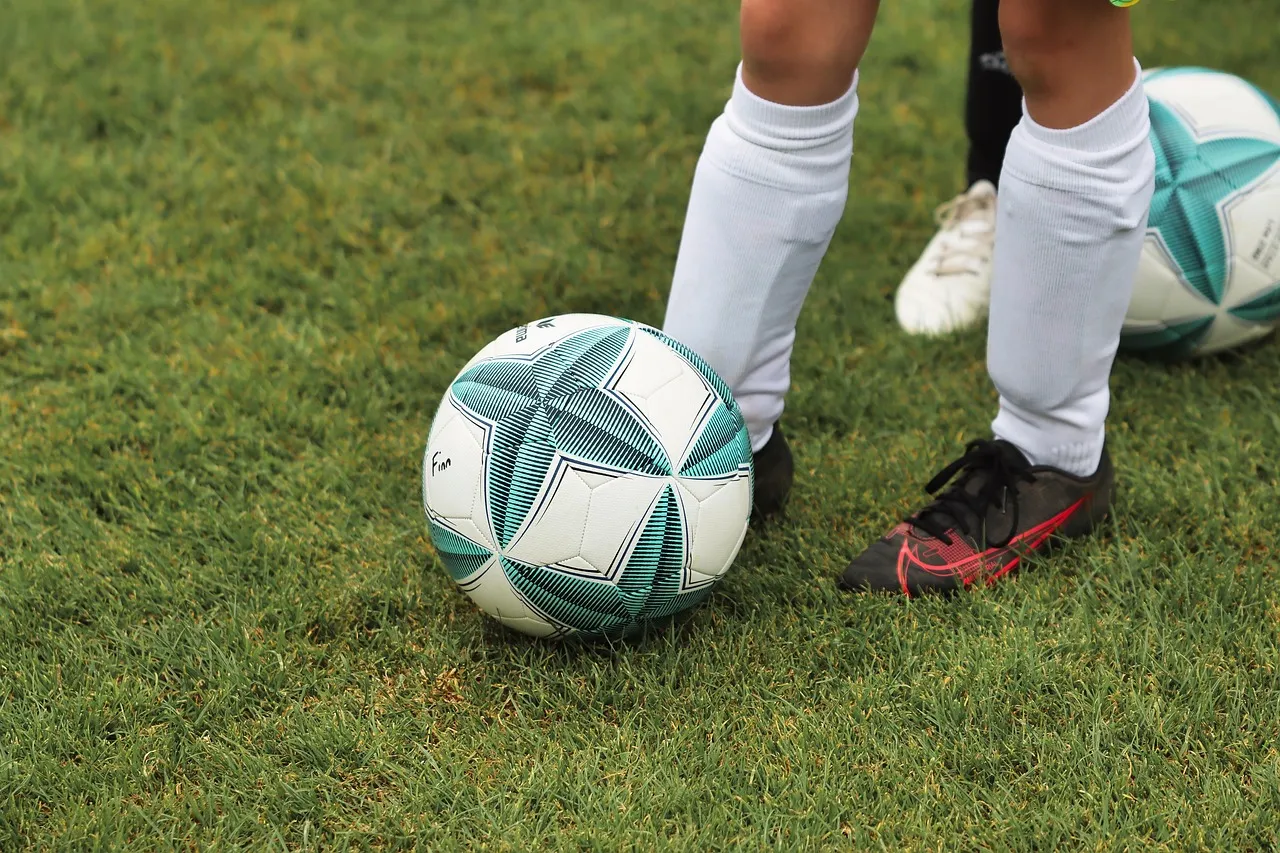
Soccer puts a lot of demand on your feet, from sprinting and sudden stops to quick cuts and hours of practice. When your feet start hurting, it can be tempting to ignore the problem and keep playing. Using Dr. Scholl’s foot support may provide added comfort, but it should not replace proper care when pain keeps coming back. A little attention early in the season can help prevent a nagging problem from turning into missed games. Your feet have a lot of work to do, so giving them some attention now can pay off later.
Pay Attention to Where It Hurts
Foot pain is not always the same from one player to another. You might feel soreness under your heel, along your arch, around your toes, or near the ankle.
Pay attention to exactly where the discomfort starts and when you notice it. Does it appear during warmups, after practice, or the morning after a game?
Those details can tell you a lot. Pain that keeps returning in the same location deserves more attention than ordinary soreness after a particularly tough practice.
Do not wait until you are limping across the field before taking it seriously.
Check Your Cleats
Your cleats have a direct impact on how your feet handle the demands of soccer.
A pair that is too tight can create pressure around your toes and cause painful rubbing. Cleats that are too loose can allow your foot to slide around, which may lead to blisters and unnecessary strain.
Try on your cleats while wearing the socks you normally use for soccer. Make sure your toes have enough room and that your heel feels secure.
If your feet have changed since last season, do not assume your old size is still the right one.
Do Not Ignore Worn-Out Footwear
Cleats and training shoes take plenty of abuse throughout a soccer season.
The soles gradually wear down, cushioning becomes less effective, and the structure of the shoe can change. Even if the shoes still look decent, they may not provide the same support they did when they were new.
Check the bottom of your shoes regularly. Uneven wear can be a sign that your feet are taking pressure differently from one side to the other.
Replacing worn footwear may be a simple way to improve comfort before a small issue becomes a bigger one.
Give Your Feet Time to Recover
It is easy to think that more practice automatically means better performance. Your body needs recovery time, though, especially when you are training several days a week.
Rest days give your muscles and feet a chance to recover from repeated running and cutting.
On easier days, gentle walking or another low-impact activity may be more comfortable than another intense session.
Getting enough sleep matters too. Your body does much of its repair work while you rest.
Stretch Your Calves and Feet
Tight calves can affect the way your feet move when you run.
Before practice, use gentle movements to warm up your ankles and calves. Afterward, spend a few minutes stretching while your muscles are still warm.
You can also try simple foot exercises at home. Calf raises, toe movements, and gentle arch stretches can help keep the lower legs and feet active.
If a particular exercise causes pain, stop and ask a qualified healthcare professional whether it is appropriate for you.
Consider Extra Foot Support
Sometimes your soccer shoes simply do not provide enough comfort for your feet.
Supportive inserts can add cushioning or arch support, depending on the product. Some athletes also use inserts outside of soccer, especially if they spend long hours standing during school, work, or other activities.
If you are looking into the best insoles for standing all day, make sure the product fits your everyday shoes properly. An insert that works well in a casual shoe may not be suitable for a soccer cleat.
Comfort and fit should always come first.
Do Not Play Through Serious Pain
There is a difference between normal post-practice soreness and pain that makes you change the way you run.
If you are limping, unable to put weight on your foot, dealing with swelling, or experiencing sharp or worsening pain, step away from the field and get appropriate medical advice.
Trying to hide an injury from your coach or teammates will not make it disappear.
A few days of caution can be much better than missing several weeks because a manageable problem became more serious.
Talk to a Professional When Pain Persists
If foot pain keeps returning despite changes to your shoes, training, and recovery habits, make an appointment with a healthcare professional.
A doctor, physical therapist, podiatrist, or other qualified provider can help determine what may be causing the problem and recommend appropriate treatment.
Do not rely on a teammate’s diagnosis or assume every foot problem is the same. Two players can have similar symptoms for completely different reasons.
Getting answers can help you make better decisions about returning to full activity.
Keep Your Season on Track
Taking care of your feet does not mean being overly cautious about every little ache.
It means paying attention when something feels different and responding before the problem gets worse. Check your footwear, build recovery into your schedule, and speak up when pain refuses to go away.
The best soccer season is one where you can keep showing up, practicing, competing, and enjoying the game.
Final Word
You may also like: Ceramic Floor Tile Designs for Kitchens and Living Rooms
Foot pain is worth addressing before it starts taking minutes off the clock and games off your schedule. Dr. Scholl’s foot support may offer extra comfort as part of a broader approach to foot care and proper footwear. Pay attention to recurring pain, give your feet time to recover, and seek professional advice when symptoms persist. Taking care of your feet now can help keep you on the field throughout the season.
