
A freshly painted wall can hide a surprising amount of trouble. So can a spotless kitchen, newly installed flooring, or a beautifully landscaped backyard. When you’re buying a property, it’s easy to focus on what looks good and overlook the problems that could cost thousands of dollars to fix.
That’s where a building inspection becomes valuable. It gives you a clearer picture of the property’s condition before you make a major financial commitment.
But what exactly can an inspection uncover, and which findings should make you think twice about a purchase?
Why a Property’s Appearance Can Be Misleading
Most buyers aren’t trained to spot structural defects or early signs of building deterioration. A house might look perfectly maintained during an open inspection while hiding problems behind walls, beneath floors, or inside the roof space.
Even relatively new properties can have defects. Poor workmanship, inadequate waterproofing, and construction shortcuts aren’t limited to older buildings.
Consider a renovated bathroom. The tiles look modern, the fittings are attractive, and everything appears clean. Yet underneath those tiles, a failed waterproofing membrane could be allowing moisture to seep into surrounding materials.
By the time visible damage appears, repairs may involve removing tiles, replacing damaged materials, and rebuilding sections of the bathroom.
A professional inspection helps identify warning signs before those problems become your responsibility.
Structural Cracks Aren’t Always Just Cosmetic
Small cracks in walls are common, particularly in properties that have experienced normal settlement or seasonal movement.
However, not every crack is harmless.
Some cracks can indicate foundation movement, drainage problems, or structural stress. The challenge is knowing which ones deserve further investigation.
Inspectors generally consider several factors, including:
- The location and direction of the cracking
- Whether cracks appear around doors and windows
- Signs of uneven flooring or distorted frames
- Evidence of moisture affecting foundations
- Whether different parts of the building appear to be moving independently
For example, a thin surface crack in plaster may require little more than cosmetic repair. A widening diagonal crack accompanied by sticking doors could suggest a more significant issue.
A building inspector may recommend assessment by a structural engineer when the evidence points to possible structural movement.
That additional investigation could save you from purchasing a property with expensive foundation problems.
Water Damage Can Be More Expensive Than It Looks
Water has a habit of finding places it shouldn’t be.
A small roof leak might initially leave nothing more than a faint ceiling stain. Over time, though, ongoing moisture can damage timber, insulation, plasterboard, and other building materials.
Water-related defects can also be difficult to identify because the source isn’t always close to the visible damage.
Common Areas Where Moisture Problems Develop
Bathrooms and laundries are obvious places to check, but they’re not the only ones.
Inspectors may examine areas around windows, external walls, roof penetrations, balconies, and subfloor spaces for signs of moisture intrusion.
Poor site drainage is another concern. When rainwater repeatedly collects near a building’s foundations, it can contribute to dampness and movement over time.
A musty smell, bubbling paint, or discoloured skirting boards might seem minor during a property viewing. Together, they could indicate a larger moisture problem.
Identifying the likely cause matters more than simply covering the visible damage.
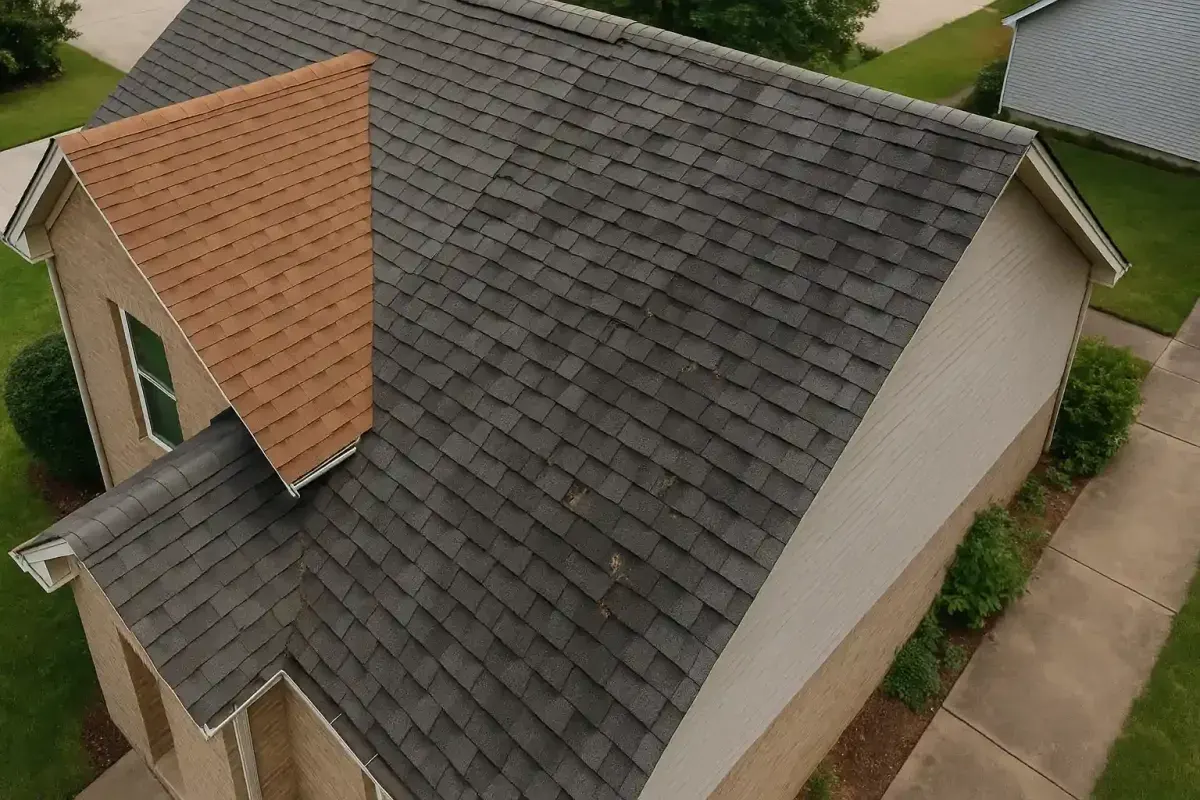
Roof Problems Buyers Frequently Overlook
When was the last time you looked closely at the roof of a house you were considering buying?
Most people barely glance at it.
Yet roof repairs can become a significant expense, especially when damage has been developing unnoticed for years.
Common concerns include damaged roof coverings, deteriorated flashing, blocked gutters, inadequate drainage, and signs of leaks inside the roof cavity.
Older roofs may also have worn materials that are approaching the end of their useful life.
An inspection can help distinguish between routine maintenance and conditions that require more substantial repairs.
Access and safety limitations may prevent an inspector from examining every roof area, so it’s useful to understand exactly what was inspected.
How Building Inspections Help You Negotiate
A building inspection isn’t simply about deciding whether a property is safe to purchase. It can also help you make a better-informed financial decision.
Imagine you’ve agreed to purchase a home, subject to appropriate contractual conditions, and an inspection identifies significant roof deterioration.
Without that information, you might proceed at the original price and discover the repair costs after settlement.
With a detailed report, you have a clearer basis for discussing the property’s condition with the seller.
Depending on the contract and circumstances, you may be able to negotiate repairs, request a price adjustment, seek further specialist advice, or reconsider the purchase.
This is one reason buyers often arrange expert building inspection services before finalising a property transaction.
The value comes from understanding potential risks while you still have an opportunity to respond.
What Happens During a Professional Building Inspection?
A typical building inspection involves a visual assessment of accessible areas of the property.
The inspector examines relevant building elements for visible defects, deterioration, and signs of conditions that may require further investigation.
Depending on the inspection scope and property access, this may include internal rooms, external walls, roofing, accessible roof spaces, subfloors, and other structural components.
Understanding the Inspection Report
The written report is where the findings become especially useful.
Rather than simply stating that a property passed or failed, a report generally identifies observed defects and explains their significance.
Some findings may involve ordinary maintenance. Others could indicate substantial repair requirements or the need for specialist assessment.
Pay particular attention to major defects, safety hazards, moisture-related concerns, and areas that couldn’t be accessed.
An inaccessible area isn’t necessarily defect-free. It means the inspector couldn’t adequately assess it.
If something in the report is unclear, ask the inspector to explain the finding and whether additional investigation is recommended.
Why New Homes Still Need Inspections
There’s a common assumption that newly constructed homes shouldn’t have serious problems.
Unfortunately, new doesn’t automatically mean defect-free.
Construction projects involve multiple trades, materials, and stages of work. Mistakes can occur even when a property looks impressive at handover.
Potential concerns include poor finishing, drainage defects, inadequate installation, and workmanship that doesn’t meet expected standards.
Inspections at appropriate construction stages can help identify problems before they’re concealed by subsequent work.
For completed new homes, an inspection may identify visible defects that should be raised with the builder.
Addressing these concerns early can be easier than discovering them after you’ve moved in.
Choosing an Inspector Who Communicates Clearly
Technical knowledge matters, but so does the ability to explain findings in language you understand.
A useful inspection report shouldn’t leave you guessing about the seriousness of every defect.
Before booking, ask what the inspection covers, what areas may be excluded, and when the written report will be available.
You should also clarify whether timber pest inspections are included or need to be arranged separately.
Building inspections generally have limitations. They’re usually visual and non-invasive, meaning inspectors cannot guarantee that every concealed defect will be discovered.
An experienced professional should explain those limitations rather than promise a property is completely problem-free.
The Real Cost of Skipping an Inspection
It’s tempting to avoid another expense when you’re already paying for deposits, legal services, moving costs, and other property-related fees.
But skipping an inspection can create much larger financial uncertainty.
A defect that costs relatively little to identify before purchase might become a major expense once the property belongs to you.
Not every inspection will uncover serious problems. Sometimes the findings are minor, and that reassurance has value too.
The important thing is knowing what you’re buying.
Make Property Decisions With Better Information
Buying a property involves excitement, pressure, and a considerable amount of money. It’s understandable to fall in love with a home’s appearance, but its underlying condition deserves equal attention.
A building inspection helps reveal visible defects, highlight potential repair costs, and identify areas requiring further investigation.
You may still decide to purchase a property with problems. The difference is that you’ll be making that decision with a clearer understanding of the risks.
And when you’re committing to something as significant as a home, knowing what might be hiding beneath the surface is far better than finding out after you’ve received the keys.
