
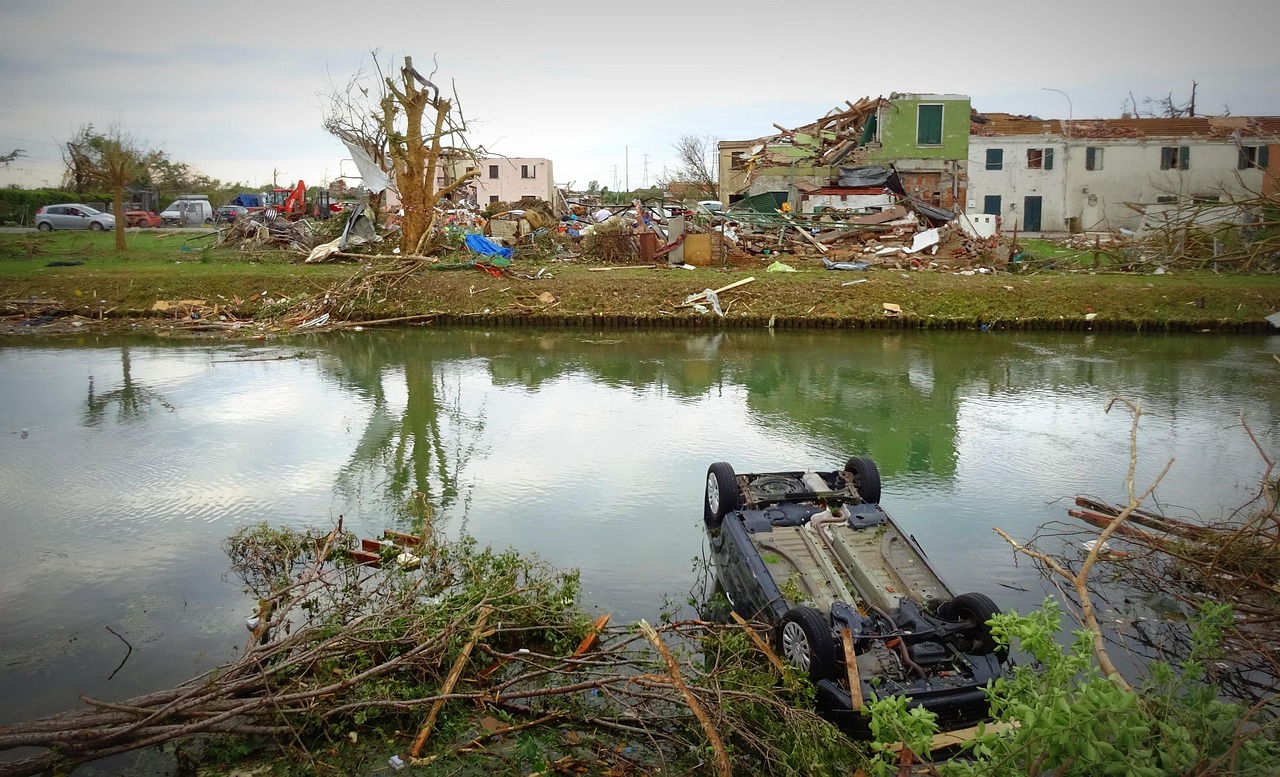
Trees are valuable parts of any property. They provide shade, improve outdoor spaces, and contribute to a healthier environment. However, storms, pests, diseases, and unexpected accidents can leave trees damaged and cause homeowners to question whether they should be saved or removed. A damaged tree does not always mean a dying tree. Some trees can recover with proper care, while others may become unsafe if their structural problems continue to worsen. For homeowners, understanding the difference between manageable damage and serious tree problems can help prevent unnecessary removal and protect their property. Knowing when to preserve a tree and when removal is the safer option starts with evaluating its overall health, structural condition, and ability to recover.
Understanding the Difference Between Tree Damage and Tree Decline
Before deciding whether to remove a tree, it is important to understand what the damage actually means. Trees can experience temporary injuries without suffering permanent health problems. Broken branches, damaged bark, and minor leaf loss may look concerning, but these conditions do not always threaten the entire tree. Tree decline, however, involves a gradual loss of health that may affect the roots, trunk, branches, and overall growth. Signs of serious decline may include widespread branch death, extensive decay, poor leaf development, and structural instability. A tree with healthy roots and a strong trunk may recover from certain types of damage, especially when the affected areas are limited. The key is determining whether the tree still has enough healthy structure and growing tissue to support continued growth.
When the Damage Is Limited to a Few Branches
One of the most common reasons homeowners consider removing a tree is storm-related branch damage. Strong winds, heavy snow, and severe weather can break limbs or leave branches hanging dangerously. However, losing a few branches does not necessarily mean the entire tree needs to be removed. If the trunk remains stable and most of the canopy is healthy, professional tree pruning may help remove damaged limbs while preserving the remaining structure. Proper pruning also reduces the likelihood of additional branch failure and encourages healthy growth patterns. The amount of damage matters. A tree that has lost a small portion of its canopy may have a better chance of recovery than one that has suffered extensive structural damage. Avoid removing too many healthy branches at once, as excessive pruning can place additional stress on an already weakened tree.
When the Tree’s Trunk and Roots Are Still Healthy
The trunk and root system play major roles in determining whether a damaged tree can survive. Roots absorb water and nutrients while helping anchor the tree in the ground. The trunk supports the canopy and transports essential resources throughout the tree. If these important structures remain healthy, the tree may recover from damage affecting its branches or leaves. However, extensive trunk cracks, significant internal decay, and damaged roots can make recovery more difficult. Watch for unusual leaning, exposed roots, large cavities, or cracks extending through major sections of the trunk. Not every visible defect means removal is necessary. Some mature trees naturally develop cavities or irregular growth patterns without becoming immediately dangerous. A professional assessment can help determine whether the remaining structure is strong enough to support the tree safely.
When a Tree Can Recover From Pest or Disease Damage
Pests and diseases can weaken trees, but early detection may allow them to recover. Certain insects damage leaves, bark, or branches without immediately affecting the entire tree. Some diseases also respond to appropriate management when identified before extensive damage occurs. Signs worth investigating include unusual leaf discoloration, small holes in bark, thinning branches, and unexpected leaf drop. The success of treatment depends on the tree species, the specific problem, and how far the damage has progressed. Tree disease treatment may involve improving growing conditions, addressing pest activity, removing affected branches, or using targeted treatments when appropriate. However, not all tree diseases are treatable, and some can cause irreversible damage. Accurate identification is essential before choosing a treatment. Applying unnecessary chemicals or removing healthy branches can sometimes make the situation worse. If the tree still has substantial healthy growth and the problem can be managed, preservation may be a reasonable option.
When Environmental Stress Is the Main Problem
Sometimes, a tree appears unhealthy because of environmental conditions rather than permanent structural damage. Drought, excessive watering, compacted soil, and sudden temperature changes can all affect tree health. During dry periods, trees may develop brown leaf edges, reduced growth, or premature leaf drop. Poor drainage can create similar symptoms because waterlogged soil limits oxygen availability around the roots. These problems may improve when the underlying conditions are corrected before severe damage develops. For example, adjusting irrigation, improving drainage, and protecting the root zone from heavy equipment may help support recovery. Homeowners should also avoid piling mulch against the trunk or adding soil around the base of established trees. When environmental stress is identified early, proper maintenance may help preserve a tree that initially appears to be declining.
When Saving the Tree Provides Long-Term Benefits
Removing a mature tree can significantly change the appearance and comfort of a property. Established trees provide shade, help moderate outdoor temperatures, support wildlife, and improve the overall landscape. Replacing a mature tree with a young one also requires time. Depending on the species and growing conditions, it may take many years for a replacement to provide similar benefits. Preserving a damaged tree can therefore be worthwhile when it remains healthy enough to recover and does not present an unacceptable safety risk. However, emotional attachment or appearance should never outweigh safety. A tree’s location, condition, expected lifespan, and maintenance requirements should all be considered before deciding to preserve it. When recovery is realistic, professional care may help extend the tree’s life while maintaining the benefits it provides.
When Tree Removal Is the Safer Choice
Although preserving trees is often desirable, some situations make removal the more responsible option. A severely damaged tree can present safety risks, especially when it stands near homes, garages, vehicles, sidewalks, or frequently used outdoor areas.
Warning signs that may justify professional evaluation for removal include:
- Major cracks affecting the trunk or important branch connections
- Significant root damage or newly lifted soil around the base
- Sudden leaning accompanied by signs of instability
- Extensive dead branches throughout the canopy
- Severe decay affecting important supporting structures
- Major storm damage that leaves the tree structurally compromised
These signs do not automatically mean the tree must be removed. However, they indicate conditions that require careful assessment. If a tree is leaning against a structure or has large hanging branches, keep people away from the affected area until a qualified professional can inspect it. Tree removal should be based on the condition of the tree and the level of risk it presents, rather than appearance alone. An experienced provider of tree service in Logan can safely assess hazardous limbs and help determine whether removal is truly necessary or the tree can be preserved.
Why a Professional Tree Inspection Matters
Determining whether a damaged tree can be saved is not always straightforward. Some problems are clearly visible, while others develop inside the trunk or below the soil. Homeowners searching for tree service in Logan should consider working with qualified tree care professionals who can evaluate the condition of their trees before recommending major work. A professional tree inspection may involve examining the canopy, checking visible root conditions, identifying structural defects, and looking for signs of pests or disease. The assessment should also consider the tree’s location and whether nearby structures or people could be affected by falling branches. Depending on the findings, an arborist may recommend corrective pruning, improved maintenance, monitoring, or removal. Getting an informed assessment can help homeowners avoid unnecessary costs while making safety a priority.
How Proper Maintenance Can Help Damaged Trees Recover
When a damaged tree is considered suitable for preservation, proper maintenance becomes an important part of recovery. The first step is addressing the cause of the damage whenever possible. If broken branches are present, appropriate pruning may be necessary to reduce hazards and prevent further tearing. Watering should be adjusted according to the tree’s needs, soil conditions, and seasonal weather. Both drought and excessive moisture can slow recovery. Mulching around the root zone can help conserve moisture and regulate soil temperature, but mulch should remain away from direct contact with the trunk. It is also important to avoid unnecessary digging, soil compaction, and heavy equipment near the roots. Regular monitoring allows homeowners to observe whether new growth is developing and whether existing damage is becoming worse. Recovery can take time, especially for mature trees that have experienced significant environmental stress. Consistent maintenance and periodic professional evaluations can help determine whether preservation efforts are working.
Make the Right Decision for Your Tree’s Health and Safety
Deciding whether to save or remove a damaged tree requires more than looking at its appearance. Minor branch damage, manageable pest problems, and temporary environmental stress may allow a tree to recover with proper care. However, severe structural damage, extensive decay, and unstable root systems can create risks that should not be ignored. For homeowners, understanding these differences can make tree maintenance decisions easier and more practical. Before removing a damaged tree, consider its overall health, structural condition, location, and potential for recovery. A professional evaluation can help determine whether preservation is realistic or removal is necessary. Protecting a healthy tree when possible can preserve the beauty and value of your landscape, while removing an unsafe tree can help prevent serious property damage or injuries.
