
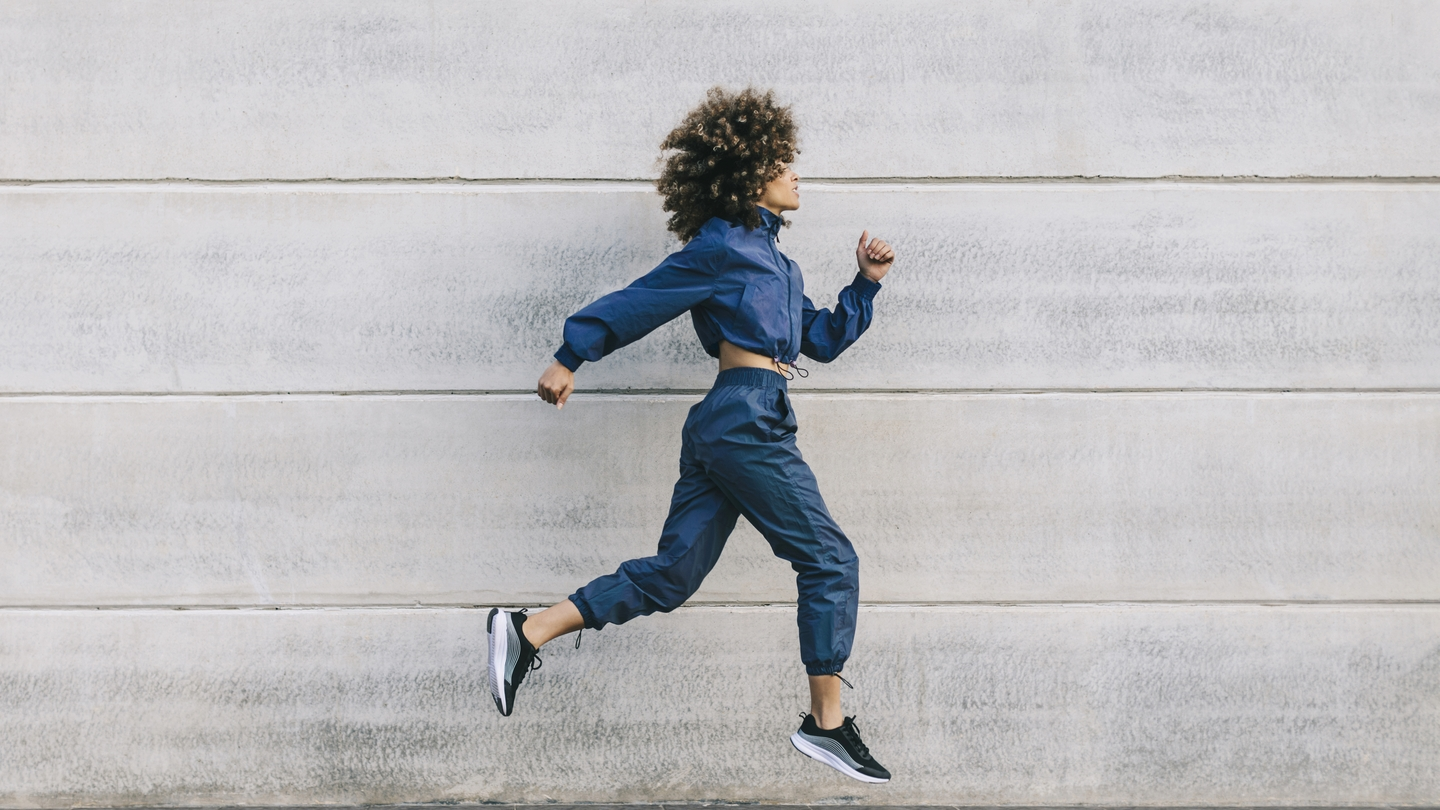
You’ve probably had this happen. You’re halfway through a workout, trying to concentrate on your next set, when your leggings start sliding down. You pull them up, adjust your top, and get back to exercising. Five minutes later, you’re doing it again.
It’s annoying, and it can make a perfectly good workout feel harder than it needs to be.
The clothes you wear to the gym might seem like a small detail, but they affect how comfortably you move, how well you manage sweat, and how confident you feel during exercise. Choosing the right pieces doesn’t mean buying the most expensive outfit on the rack. It means understanding what makes workout clothing comfortable, supportive, and practical.
The Problem With Wearing Just Anything to the Gym
An old cotton T-shirt and a pair of casual leggings might seem good enough for a quick workout. Sometimes they are. But once you start moving more, their limitations become obvious.
Cotton absorbs moisture and can stay damp long after you’ve started sweating. Loose clothing can get in the way during certain exercises, while everyday leggings may become see-through when stretched.
Then there’s the fit. Clothing designed for casual wear isn’t always made to handle squats, lunges, running, or repeated stretching.
Think about how often you bend, twist, reach, and change positions during a typical gym session. Your clothing needs to move with you without constantly demanding your attention.
That’s where purpose-made activewear can make a noticeable difference.
Fabric Makes a Bigger Difference Than You Expect
Two pairs of leggings can look almost identical on a hanger but feel completely different once you start exercising.
The difference often comes down to fabric.
Breathability and Moisture Management
During exercise, your body produces sweat to help regulate temperature. Clothing that holds too much moisture against your skin can become uncomfortable, particularly during longer sessions.
Many workout garments use synthetic fibres designed to move moisture across the fabric, where it can evaporate more easily.
That doesn’t mean every synthetic fabric performs equally well. Construction, thickness, ventilation, and fit all influence how comfortable a garment feels.
If you regularly do high-intensity workouts, breathable materials are especially useful.
Stretch That Actually Recovers
Stretchy fabric isn’t automatically good workout fabric.
A pair of leggings might stretch easily but gradually lose its shape after repeated use. Good stretch recovery helps clothing return to its original fit instead of becoming loose around the knees or waistband.
When shopping, pay attention to how the material feels when stretched. Does it return smoothly? Does it become noticeably thinner?
These little checks can tell you more than a product photograph.
Why Fit Should Come Before Appearance
There’s nothing wrong with wanting gym clothes that look good. Feeling comfortable with your appearance can make getting dressed for a workout more enjoyable.
But appearance shouldn’t come at the expense of movement.
When choosing premium workout clothes for women, focus on how each garment fits your body and supports the exercises you actually do.
For example, high-waisted leggings can provide a secure feeling around the midsection, but a waistband that’s too tight may dig into your stomach during seated exercises.
Likewise, a fitted training top might stay in place during strength training, while a looser design could feel more comfortable for walking or light exercise.
The best fit is the one you can forget about once your workout begins.
Try the Squat Test
Before deciding whether leggings are suitable, try a few basic movements.
Squat down, bend forward, raise your knees, and stretch your legs. Check whether the waistband stays in position and whether the fabric becomes transparent.
If you’re constantly pulling the garment back into place, it’s probably not the right fit.
This simple test can save you from buying something that looks great but feels uncomfortable during training.
Different Workouts Need Different Clothing
One outfit doesn’t necessarily work equally well for every type of exercise.
Strength Training
When lifting weights, freedom of movement matters. Leggings or shorts should allow you to squat deeply without restricting your hips or knees.
Tops should also stay reasonably secure when you bend forward or reach overhead.
Running and Cardio
Running introduces repetitive movement, so poorly fitted clothing can cause rubbing or chafing.
Lightweight fabrics, secure waistbands, and appropriate sports bra support become particularly useful.
A sports bra that feels comfortable during yoga may not provide enough support for running. Match the support level to the activity and your individual needs.
Yoga and Pilates
For slower, movement-focused workouts, softness and flexibility often matter more than heavy compression.
Clothing should allow you to stretch comfortably without bunching around your waist or restricting your shoulders.
A smooth, flexible fabric can make floor exercises much more pleasant.
Expensive Doesn’t Always Mean Better
It’s easy to assume that higher prices automatically mean higher quality.
Unfortunately, that’s not always true.
Some expensive activewear is priced partly around branding, design, or marketing rather than measurable improvements in comfort or durability.
A more useful approach is to examine the details.
Look at the stitching around high-stress areas, especially the inner thighs and waistband. Check whether seams feel rough against your skin. Consider whether the fabric suits your local climate and workout intensity.
Also, think about how frequently you’ll wear the item.
If you train four times a week, spending more on a durable pair of leggings you genuinely enjoy wearing might make sense. But there’s little benefit in paying extra for features you don’t need.
Price matters less than how well the clothing performs over time.
Build a Workout Wardrobe You’ll Actually Use
You don’t need a drawer overflowing with gym outfits.
In fact, having a few reliable pieces can make your routine easier.
Start with enough comfortable bottoms and tops to cover your usual workout schedule between laundry days. Add sports bras suited to your activities, and consider a lightweight layer if you exercise outdoors.
Choose colours and styles that work together. This makes it easier to put together an outfit without spending ten minutes deciding what matches.
It’s also worth paying attention to what you repeatedly reach for.
If one pair of leggings always ends up in your gym bag while another stays untouched, there’s probably a reason. Maybe the waistband feels better, the material is softer, or the length suits you.
Your own habits provide useful clues about what deserves a place in your wardrobe.
Taking Care of Your Activewear
Even good-quality workout clothes can wear out quickly when they’re not cared for properly.
Check the garment’s care label before washing. Many stretchy synthetic fabrics benefit from gentle washing and avoiding excessive heat.
Fabric softener can also affect the performance of certain moisture-wicking materials, so check the manufacturer’s instructions before using it.
After exercising, avoid leaving damp clothes bundled inside your gym bag for hours. Allowing them to dry before washing can help reduce unpleasant odours.
Small habits like these can help your favourite workout pieces stay comfortable for longer.
Choose Comfort You Can Count On
Good workout clothing shouldn’t distract you from exercising. It should fit comfortably, handle movement, and suit the kind of training you enjoy.
You don’t need the trendiest outfit or the biggest budget to get those benefits. A little attention to fabric, fit, construction, and care goes a long way.
The next time you’re shopping for gym clothes, think beyond how they look in the mirror. Imagine wearing them through an entire workout, from your first warm-up stretch to your final repetition.
If you can move comfortably without constantly adjusting your clothes, you’ve probably made a good choice.
